










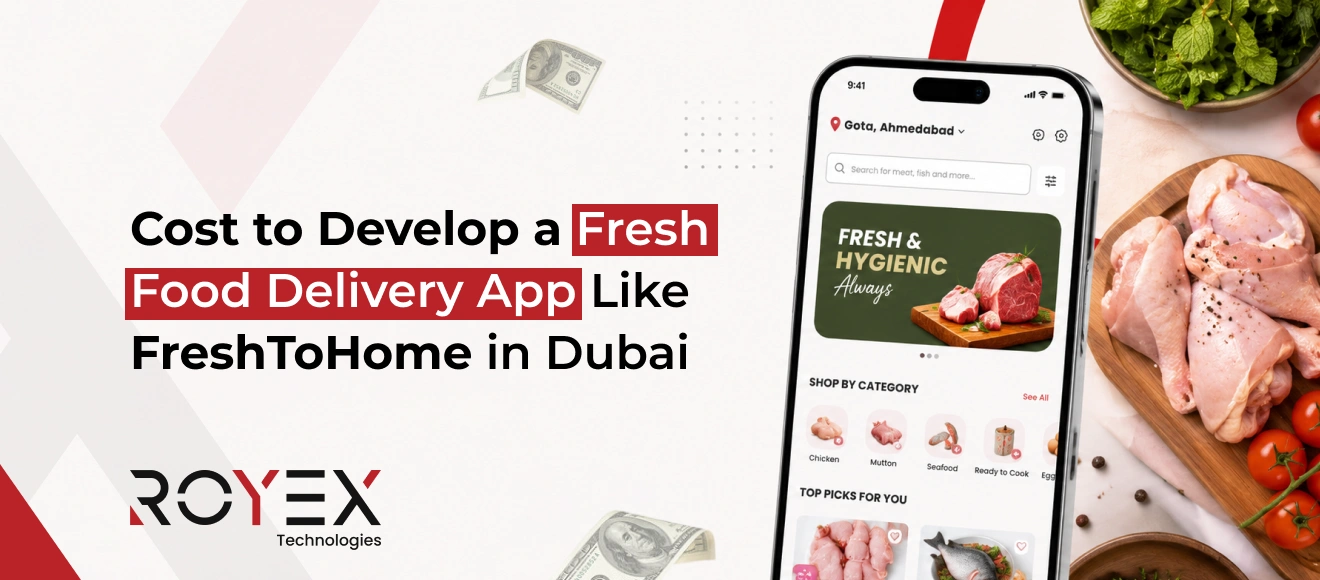
Cost to Develop a Fresh Food Delivery App Like FreshToHome in Dubai
Fresh food delivery applications have transformed the way consumers purchase meat, seafood, poultry, fruits, vegetables, and organic products. Platforms like FreshToHome have built their success by offering farm-fresh and source-direct products, ensuring quality, transparency, and convenience through a seamless digital shopping experience.
Modern consumers are becoming increasingly conscious about food quality, freshness, sourcing practices, and health standards. Rather than purchasing products from traditional supermarkets, many now prefer ordering directly from trusted online platforms that provide detailed sourcing information and doorstep delivery.
Dubai's growing demand for premium food products, combined with high smartphone adoption and a mature eCommerce ecosystem, makes it an ideal market for fresh food delivery platforms. To capitalize on this opportunity, food retailers, startups, and grocery businesses often partner with a mobile app development company Dubai to build scalable delivery platforms that efficiently manage inventory, sourcing, logistics, and customer engagement.
This article explores the features, development process, technology stack, monetization opportunities, challenges, and estimated cost of developing a fresh food delivery app like FreshToHome in Dubai.
Why Fresh Food Delivery Apps Are Growing in Dubai
Increasing Demand for High-Quality Food Products
Consumers are becoming more selective about the quality, freshness, and origin of the food they purchase.
Growth of Health-Conscious Consumers
Many customers actively seek organic, chemical-free, antibiotic-free, and sustainably sourced food products.
Convenience of Home Delivery
Busy professionals and families prefer ordering fresh food online rather than visiting multiple specialty stores.
Expansion of Digital Commerce
The UAE's rapidly growing eCommerce market continues to drive demand for specialized food delivery services.
Key Features of a Fresh Food Delivery App Like FreshToHome
Customer Features
Product Discovery
Users can browse categories such as seafood, poultry, meat, fruits, vegetables, ready-to-cook meals, and organic products.
Detailed Product Information
Each product listing should include sourcing details, freshness information, nutritional content, weight options, and preparation recommendations.
Smart Search and Filters
Customers can filter products based on category, dietary preferences, organic certifications, pricing, and availability.
Shopping Cart and Checkout
The platform should offer a seamless checkout process with multiple payment methods and delivery options.
Order Management Features
Real-Time Order Tracking
Customers can monitor order preparation, packaging, dispatch, and delivery status.
Scheduled Deliveries
Users can choose delivery slots that fit their schedules and preferences.
Reordering Functionality
Frequently purchased products can be reordered with a single tap.
Logistics Features
Delivery Management
The platform should manage delivery assignments, routes, and fulfillment operations efficiently.
Temperature-Controlled Delivery Tracking
Specialized tracking systems can monitor cold-chain compliance for perishable products.
Warehouse Coordination
Inventory and fulfillment systems should synchronize seamlessly with warehouses and distribution centers.
Advanced Features for Modern Fresh Food Platforms
AI-Powered Product Recommendations
Artificial intelligence can recommend products based on previous purchases, dietary preferences, and seasonal trends.
Subscription-Based Deliveries
Customers can subscribe to recurring deliveries of seafood, meat, vegetables, fruits, and other frequently purchased products.
Freshness Assurance Systems
The platform can provide transparency regarding sourcing dates, harvest information, and quality certifications.
Loyalty and Rewards Programs
Users can earn loyalty points, cashback rewards, and exclusive discounts through repeat purchases.
Demand Forecasting
AI-powered forecasting tools help optimize inventory levels and reduce food waste.
Admin Panel Features
Inventory Management
Administrators can monitor stock levels, supplier inventory, product freshness, and warehouse operations.
Supplier Management
The platform can manage relationships with farms, fisheries, poultry suppliers, and food distributors.
Order Fulfillment Oversight
Admins can track order processing, packing efficiency, and delivery performance.
Analytics Dashboard
Comprehensive reporting provides insights into customer behavior, product demand, sales performance, and operational efficiency.
Technology Stack
Mobile Development
- Flutter
- React Native
- Swift
- Kotlin
Backend Development
- Node.js
- Laravel
- Django
Database Systems
- PostgreSQL
- MongoDB
- Redis
Third-Party Integrations
- Payment gateways
- Warehouse management systems
- Delivery tracking solutions
- CRM platforms
- Marketing automation tools
Cloud Infrastructure
- AWS
- Google Cloud Platform
- Microsoft Azure
Development Process
Market Research and Planning
The project begins by defining product categories, sourcing models, logistics requirements, and customer segments.
UI/UX Design
Designers focus on creating intuitive shopping experiences that emphasize product quality, transparency, and convenience.
MVP Development
The initial version typically includes product listings, shopping cart functionality, payments, and order tracking.
Advanced Platform Development
Additional features such as subscriptions, AI recommendations, loyalty programs, and demand forecasting are introduced.
Testing and Deployment
Extensive testing ensures platform reliability, inventory accuracy, and delivery efficiency before launch.
Cost to Develop a Fresh Food Delivery App Like FreshToHome in Dubai
Basic MVP
AED 120,000 – AED 250,000
Includes product catalog, shopping cart, payment gateway integration, order tracking, and customer accounts.
Mid-Level Fresh Food Platform
AED 250,000 – AED 700,000
Includes subscription services, delivery management, loyalty programs, and advanced inventory systems.
Enterprise Fresh Food Ecosystem
AED 700,000 – AED 2,000,000+
Includes AI-powered recommendations, warehouse integrations, demand forecasting, cold-chain tracking, and enterprise-scale logistics infrastructure.
Monetization Strategies
Product Sales Margins
The primary revenue model for platforms like FreshToHome comes from selling fresh food products directly to consumers. By sourcing products directly from farms, fisheries, and suppliers, businesses can improve profit margins while maintaining competitive pricing.
Subscription Delivery Plans
Subscription programs allow customers to schedule recurring deliveries of seafood, poultry, meat, fruits, and vegetables. These plans generate predictable recurring revenue while increasing customer retention and lifetime value.
Premium Freshness and Specialty Products
Businesses can generate higher margins by offering premium seafood, organic produce, imported meats, specialty food items, and exclusive product collections targeted at health-conscious consumers.
Featured Supplier Listings
Farms, fisheries, organic brands, and food suppliers can pay for enhanced visibility through sponsored product placements, promotional campaigns, and category features.
Value-Added Services
Additional revenue opportunities include meal kits, pre-marinated products, ready-to-cook packages, curated healthy meal bundles, and seasonal subscription boxes.
Corporate and Hospitality Partnerships
Hotels, restaurants, catering companies, and corporate organizations may require regular fresh food deliveries. Dedicated B2B partnerships can create significant recurring revenue streams and long-term contracts.
Challenges
Maintaining Freshness Standards
Fresh food platforms must ensure products maintain quality throughout sourcing, storage, packaging, and delivery processes.
Cold Chain Logistics
Managing temperature-sensitive products such as seafood, poultry, and meat requires specialized logistics infrastructure and monitoring systems.
Inventory Management
Balancing supply and demand while minimizing food waste is one of the most complex operational challenges in the fresh food industry.
Supplier Coordination
Maintaining strong relationships with farms, fisheries, and suppliers is essential to ensure consistent quality and availability.
Scaling Fulfillment Operations
As customer demand grows, the platform must efficiently manage warehouses, delivery fleets, sourcing operations, and customer support without compromising service quality.
Why Dubai Is Ideal for Fresh Food Delivery Platforms
Growing Health-Conscious Population
Consumers increasingly seek fresh, organic, and high-quality food products that support healthier lifestyles.
Strong Demand for Premium Food Products
Dubai residents are willing to pay for convenience, quality assurance, and premium sourcing standards.
Advanced Logistics Infrastructure
The city's modern transportation networks and warehousing facilities support efficient cold-chain delivery operations.
High Digital Adoption
Consumers are highly comfortable using mobile applications for grocery and food-related purchases.
Expanding eCommerce Ecosystem
Dubai's rapidly growing digital economy creates excellent opportunities for specialized food delivery businesses.
Why Businesses Choose Royex
Businesses prefer working with an app development company in Dubai because building a platform like FreshToHome requires expertise in eCommerce architecture, inventory management systems, cold-chain logistics integration, delivery automation, and customer engagement technologies.
Royex specializes in developing advanced food commerce platforms that integrate product management, supplier coordination, warehouse operations, order fulfillment, and delivery tracking into a unified ecosystem. This helps businesses streamline operations while delivering superior customer experiences.
As the best mobile app development company in Dubai, Royex develops advanced capabilities such as AI-powered product recommendations, subscription management systems, smart inventory forecasting, loyalty programs, and real-time logistics tracking. These features help businesses improve customer retention, optimize operational efficiency, and maximize profitability.
Most importantly, Royex builds scalable and secure platforms capable of supporting large product catalogs, high transaction volumes, complex supply chains, and growing customer bases while maintaining exceptional performance and reliability.
Conclusion
Developing a FreshToHome-like fresh food delivery app in Dubai presents a significant opportunity in the rapidly growing online food retail sector. As consumers increasingly prioritize freshness, quality, transparency, and convenience, demand for specialized food delivery platforms continues to rise.
A successful fresh food platform requires strong supply chain management, efficient logistics operations, seamless shopping experiences, and scalable technology infrastructure. With the right development partner, businesses can build powerful digital ecosystems that connect consumers with premium food products while driving long-term growth.
Dubai's health-conscious population, advanced logistics capabilities, premium consumer market, and thriving digital economy make it one of the most attractive locations for launching and scaling a fresh food delivery platform like FreshToHome.