








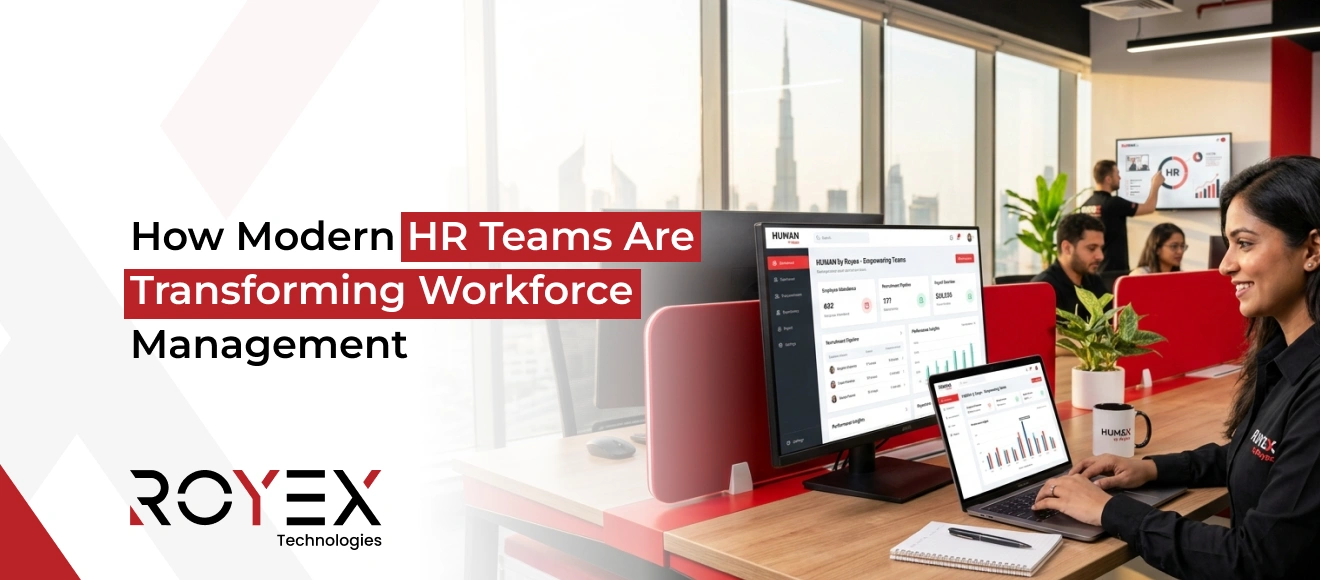
How Modern HR Teams Are Transforming Workforce Management
Human resources has evolved far beyond hiring employees and processing payroll. Today's HR teams are responsible for attracting top talent, managing employee performance, ensuring compliance, supporting workforce development, maintaining employee engagement, and making strategic decisions that contribute directly to business growth. As organizations expand, relying on spreadsheets, paper records, or disconnected HR systems often leads to inefficiencies, data inconsistencies, and administrative bottlenecks.
This is where AI-Powered Human Resource Management Software is transforming modern workplaces. By combining automation, artificial intelligence, cloud computing, and advanced analytics, HR software simplifies every stage of the employee lifecycle—from recruitment and onboarding to payroll, attendance, performance management, and employee retention. Instead of spending valuable time on repetitive administrative tasks, HR professionals can focus on building a stronger, more productive workforce.
Dubai's growing business ecosystem, multinational workforce, and emphasis on digital transformation have accelerated the adoption of intelligent HR technologies. Companies across industries are investing in modern HR management platforms to improve operational efficiency, ensure regulatory compliance, enhance employee experiences, and support long-term organizational growth.
What Is Human Resource Management Software?
Human Resource Management Software (HRMS) is a centralized platform that enables organizations to manage all HR operations through a single digital system. It brings together recruitment, employee records, attendance, leave management, payroll, performance evaluations, training, compliance, and reporting into one integrated solution.
Rather than relying on multiple standalone applications or manual processes, HRMS provides businesses with complete visibility into their workforce while improving collaboration between HR teams, managers, finance departments, and employees.
When powered by artificial intelligence, HR software becomes even more valuable by automating repetitive tasks, providing predictive workforce insights, improving recruitment decisions, and helping organizations make data-driven HR strategies.
Key Features of AI-Powered Human Resource Management Software
Employee Information Management
A centralized employee database stores personal information, employment history, contracts, qualifications, certifications, emergency contacts, and organizational records. This eliminates paperwork while ensuring secure and organized employee data management.
Recruitment and Applicant Tracking
Modern HR software streamlines recruitment by managing job postings, applications, candidate screening, interview scheduling, and hiring workflows. AI-powered tools can help identify qualified candidates more efficiently, reducing time-to-hire.
Employee Onboarding
Digital onboarding simplifies the process of welcoming new employees by automating document submission, policy acknowledgments, equipment allocation, training schedules, and orientation checklists.
Attendance and Leave Management
Organizations can automate attendance tracking, work schedules, shift planning, overtime calculations, and leave approvals. Employees can submit leave requests through self-service portals while managers receive instant notifications for approvals.
Payroll Management
Integrated payroll features automate salary calculations, deductions, bonuses, tax considerations, reimbursements, and payslip generation. This improves payroll accuracy while reducing administrative workload.
Performance Management
Managers can set goals, conduct performance reviews, monitor employee progress, provide continuous feedback, and identify professional development opportunities through structured evaluation processes.
Learning and Development
HR teams can manage employee training programs, certifications, skill assessments, and career development plans to build a more capable and future-ready workforce.
Employee Self-Service Portal
Employees can update personal information, access payslips, request leave, complete onboarding tasks, submit documents, and communicate with HR without requiring manual assistance.
HR Analytics and Reporting
Comprehensive dashboards provide insights into workforce demographics, recruitment performance, employee turnover, attendance trends, payroll expenses, productivity metrics, and organizational performance.
How Artificial Intelligence Is Transforming Human Resource Management
Intelligent Candidate Screening
AI analyzes resumes, qualifications, experience, and job requirements to help recruiters identify the most suitable candidates quickly and objectively.
Predictive Workforce Analytics
Artificial intelligence evaluates workforce trends to predict employee turnover, staffing requirements, hiring needs, and future skill gaps before they impact business operations.
AI-Powered Employee Support
Virtual HR assistants can answer employee questions, guide onboarding, explain company policies, assist with leave requests, and provide instant support around the clock.
Performance Insights
AI continuously analyzes employee performance data, productivity metrics, and engagement levels to provide managers with actionable recommendations for coaching and development.
Workforce Planning
Machine learning helps organizations forecast hiring demands, optimize workforce allocation, and improve succession planning based on business growth projections.
Benefits of Human Resource Management Software
Improved HR Efficiency
Automation eliminates repetitive administrative work, allowing HR teams to focus on strategic initiatives such as talent development and employee engagement.
Better Employee Experience
Self-service portals, faster HR responses, digital onboarding, and transparent communication contribute to a more positive employee experience throughout the employment lifecycle.
Enhanced Compliance
Automated record keeping, policy management, document tracking, and audit trails help organizations comply with labor regulations and internal governance requirements.
Increased Data Accuracy
Centralized employee records reduce duplicate information, minimize manual errors, and improve the reliability of HR data.
Faster Decision-Making
Real-time dashboards enable HR leaders to make informed decisions based on workforce analytics rather than assumptions.
Scalable Workforce Management
Cloud-based HR platforms support growing organizations by accommodating increasing employee numbers, multiple office locations, and evolving business requirements.
Industries That Benefit from Human Resource Management Software
AI-powered HR software is valuable across virtually every industry, including:
- Information Technology
- Healthcare
- Manufacturing
- Construction
- Retail
- Hospitality
- Education
- Financial Services
- Logistics
- Government
- Telecommunications
- Professional Services
Any organization with employees can improve operational efficiency through a centralized HR management platform.
Emerging Trends in Human Resource Technology
AI-Powered Recruitment
Organizations are increasingly using AI to automate candidate sourcing, resume screening, interview scheduling, and recruitment analytics.
Employee Experience Platforms
Modern HR systems prioritize employee engagement through personalized communication, recognition programs, wellness initiatives, and continuous feedback.
Cloud-Based HR Systems
Cloud deployment enables secure access to HR information from anywhere while simplifying software maintenance and supporting remote work environments.
Skills-Based Workforce Management
Companies are shifting toward skills-based talent strategies, using AI to identify skill gaps, recommend learning opportunities, and support internal mobility.
Predictive HR Analytics
Businesses are leveraging workforce analytics to improve retention, optimize staffing, forecast hiring needs, and measure organizational performance.
Common Challenges Without Human Resource Management Software
Manual Administrative Processes
Managing employee records, payroll, attendance, and compliance manually consumes valuable time while increasing the likelihood of errors.
Limited Workforce Visibility
Without centralized HR systems, organizations struggle to access accurate workforce data for strategic planning and decision-making.
Recruitment Delays
Manual hiring processes often extend recruitment timelines, making it difficult to secure top talent in competitive markets.
Compliance Risks
Maintaining labor law compliance, employee documentation, and audit records becomes increasingly difficult as organizations grow.
Difficulty Scaling HR Operations
As businesses expand across departments or locations, manual HR processes become inefficient and difficult to manage consistently.
Why Dubai Is an Ideal Market for Human Resource Management Software
Expanding Business Landscape
Dubai continues to attract multinational corporations, startups, and SMEs, increasing demand for modern workforce management solutions.
Diverse Workforce
Organizations operating in Dubai manage employees from various countries, making centralized HR systems essential for maintaining consistency and compliance.
Digital Transformation Initiatives
Government-led digital transformation programs encourage businesses to adopt intelligent technologies that improve productivity and operational efficiency.
Growing Focus on Employee Experience
Companies are investing in digital HR solutions that enhance recruitment, onboarding, communication, and employee satisfaction.
Rising Adoption of Artificial Intelligence
Businesses across the UAE are embracing AI-powered enterprise software to automate business processes and improve organizational performance.
How Human by Royex Can Simplify HR Management
Managing today's workforce requires more than traditional HR tools. With AI-Powered Human Resource Management Software in Dubai, businesses can automate administrative tasks, improve workforce visibility, enhance employee engagement, and make informed decisions through intelligent automation.
Human by Royex is a comprehensive HR management solution designed to simplify every stage of the employee lifecycle. From recruitment and onboarding to attendance, payroll, leave management, performance evaluations, and workforce analytics, the platform centralizes HR operations into one secure and scalable system. By incorporating AI-powered automation, predictive insights, and real-time reporting, businesses can reduce manual effort, improve operational efficiency, and create better employee experiences.
Whether serving startups, SMEs, or large enterprises, Human by Royex adapts to diverse organizational structures and business requirements. Its flexible architecture integrates seamlessly with payroll, finance, and enterprise systems while providing cloud accessibility, role-based permissions, and intelligent dashboards that empower HR teams to support sustainable business growth.
Conclusion
Human resources has become a strategic function that directly influences productivity, employee satisfaction, organizational culture, and long-term business success. As workforce expectations continue to evolve, businesses need intelligent solutions that simplify HR operations while empowering employees and managers alike.
AI-powered Human Resource Management software enables organizations to automate routine tasks, improve recruitment, strengthen workforce planning, ensure compliance, and gain valuable insights through real-time analytics. By centralizing HR processes into a single platform, businesses can improve operational efficiency while creating a more engaging and productive workplace.
As Dubai continues to strengthen its position as a global business hub, investing in modern HR technology is becoming essential for organizations seeking to attract top talent, support workforce growth, and remain competitive in an increasingly digital economy.