










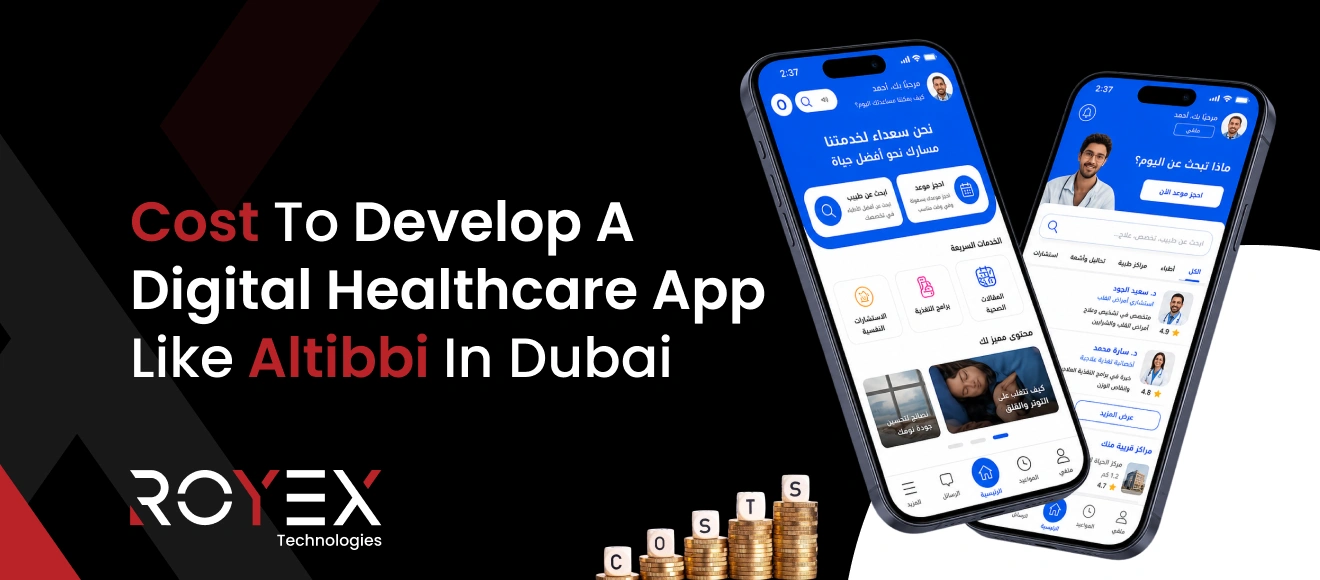
Cost to Develop a Digital Healthcare App Like Altibbi in Dubai
Digital healthcare platforms are transforming the way patients access medical advice, consultations, health information, and healthcare services. Apps like Altibbi have become one of the leading digital health ecosystems in the Middle East by offering online doctor consultations, medical content, symptom checkers, health records, and telemedicine services through a single platform.
As healthcare becomes increasingly digital, patients now expect instant access to medical professionals, reliable health information, and remote healthcare services without needing to visit a clinic. This shift is particularly evident in Dubai, where digital transformation initiatives and smart healthcare programs are accelerating the adoption of telemedicine solutions.
To capitalize on this growing market, healthcare startups, hospitals, and investors often collaborate with a mobile app development company Dubai to build secure, scalable, and regulation-compliant healthcare platforms capable of serving thousands of patients daily.
This article explores the features, development process, technology stack, monetization opportunities, challenges, and estimated cost of developing a healthcare platform like Altibbi in Dubai.
Why Digital Healthcare Apps Are Growing in Dubai
Increasing Demand for Telemedicine
Patients are increasingly seeking convenient healthcare solutions that allow them to consult doctors remotely and receive medical advice without traveling to healthcare facilities.
Government Support for Smart Healthcare
Dubai continues to invest heavily in digital healthcare infrastructure, encouraging the adoption of telemedicine, electronic health records, and digital patient services.
Rising Health Awareness
Consumers are becoming more proactive about managing their health, creating demand for digital health information, symptom assessment tools, and preventive healthcare services.
Improved Access to Healthcare
Digital healthcare platforms help bridge gaps in accessibility by connecting patients with healthcare professionals regardless of location.
Key Features of a Healthcare App Like Altibbi
Patient Features
Doctor Consultation Platform
Users can connect with licensed healthcare professionals through chat, voice calls, and video consultations.
Doctor Search and Discovery
Patients can browse doctors based on specialty, language, availability, ratings, and consultation fees.
Health Records Management
The platform should allow users to store and access prescriptions, medical reports, diagnoses, and treatment histories.
Appointment Scheduling
Patients can book in-person and virtual consultations through integrated scheduling systems.
Healthcare Content Features
Medical Knowledge Library
Users can access articles, guides, and educational resources covering various health conditions and treatments.
Symptom Checker
The platform can provide preliminary guidance by analyzing symptoms and recommending appropriate medical specialties.
Health Assessment Tools
Interactive questionnaires and screening tools help users evaluate potential health concerns.
Doctor Features
Professional Profiles
Doctors can create detailed profiles showcasing qualifications, experience, specialties, and consultation availability.
Consultation Management
Healthcare professionals can manage appointments, patient records, and consultation histories.
Prescription Management
Doctors can issue digital prescriptions directly through the platform.
Advanced Features for Modern Healthcare Platforms
AI-Powered Symptom Analysis
Artificial intelligence can help analyze symptoms and suggest possible conditions or specialist recommendations.
Personalized Health Insights
The platform can provide customized wellness recommendations based on user health profiles and medical history.
Electronic Health Record Integration
Integration with healthcare providers enables secure sharing and management of patient records.
Multi-Language Support
Dubai’s diverse population makes multilingual healthcare services essential for broader accessibility.
Wearable Device Integration
The app can connect with smartwatches and fitness devices to monitor health metrics such as heart rate, sleep quality, and activity levels.
Admin Panel Features
Doctor Verification Management
Administrators can verify healthcare professionals and ensure compliance with medical regulations.
Patient Management
The platform allows monitoring of patient activity, consultations, and support requests.
Content Moderation
Medical content must be reviewed and approved to ensure accuracy and compliance.
Analytics Dashboard
Provides insights into user engagement, consultation volume, platform growth, and revenue performance.
Technology Stack
Mobile Development
- Flutter
- React Native
- Swift
- Kotlin
Backend Development
- Node.js
- Django
- Java Spring Boot
Database Systems
- PostgreSQL
- MongoDB
- Redis
Telemedicine Infrastructure
- WebRTC for video consultations
- Secure messaging systems
- End-to-end encryption
- HIPAA-compliant storage solutions
Cloud Infrastructure
- AWS
- Google Cloud Platform
- Microsoft Azure
Development Process
Healthcare Planning and Compliance
The project begins with defining healthcare workflows, regulatory requirements, patient journeys, and security standards.
UI/UX Design
Design focuses on accessibility, trust, simplicity, and ease of navigation for users of all age groups.
MVP Development
The initial version typically includes doctor discovery, appointment booking, consultations, and basic health content.
Advanced Platform Development
Features such as AI symptom checkers, health analytics, wearable integrations, and digital prescriptions are added in later phases.
Security Testing and Deployment
Comprehensive testing ensures regulatory compliance, platform stability, and patient data protection.
Cost to Develop a Healthcare App Like Altibbi in Dubai
Basic MVP
AED 150,000 – AED 300,000
Includes doctor profiles, appointment booking, health content, patient accounts, and consultation functionality.
Mid-Level Platform
AED 300,000 – AED 800,000
Includes telemedicine services, digital prescriptions, analytics dashboards, and healthcare content management.
Enterprise Healthcare Ecosystem
AED 800,000 – AED 2,500,000+
Includes AI-powered diagnostics, electronic health record integration, wearable connectivity, multilingual support, and enterprise-scale infrastructure.
Monetization Strategies
Consultation Fees
The primary revenue source for healthcare platforms like Altibbi comes from online doctor consultations. The platform can charge a commission on each completed consultation or retain a percentage of doctor fees.
Subscription-Based Healthcare Plans
Users can subscribe to premium healthcare memberships that provide unlimited consultations, discounted appointments, priority support, and exclusive wellness content. Subscription models generate predictable recurring revenue and improve customer retention.
Doctor Subscription Packages
Healthcare professionals can pay monthly or annual subscription fees to access advanced features such as enhanced profile visibility, patient management tools, analytics dashboards, and marketing opportunities.
Sponsored Healthcare Content
Hospitals, pharmaceutical companies, clinics, and healthcare brands may sponsor educational content, awareness campaigns, and featured health resources within the platform.
Pharmacy and Laboratory Partnerships
The platform can earn referral commissions by connecting users with pharmacies, diagnostic centers, and laboratory testing services. This expands the healthcare ecosystem while creating additional revenue streams.
Corporate Healthcare Programs
Businesses increasingly invest in employee wellness programs. Healthcare platforms can offer corporate healthcare subscriptions, telemedicine access, mental health support, and wellness solutions to organizations throughout Dubai and the UAE.
Challenges
Regulatory Compliance
Healthcare applications must comply with strict healthcare regulations, patient privacy laws, telemedicine guidelines, and medical licensing requirements. Failure to meet compliance standards can result in significant legal and operational risks.
Protecting Sensitive Medical Data
Healthcare platforms manage highly sensitive personal information. Strong encryption, secure storage systems, and advanced access controls are essential to protect patient confidentiality.
Building Patient Trust
Healthcare decisions directly impact users' well-being. Platforms must establish credibility through verified doctors, transparent consultation processes, and reliable healthcare content.
Ensuring Accurate Medical Information
Providing trustworthy health information requires continuous content review by qualified medical professionals and healthcare experts.
Scalability and Performance
As consultation volumes increase, the platform must maintain reliable video communication, secure messaging, and fast access to patient records without service interruptions.
Why Dubai Is Ideal for Digital Healthcare Platforms
Strong Healthcare Infrastructure
Dubai is home to some of the most advanced healthcare facilities in the region, creating strong opportunities for digital healthcare integration and innovation.
Government Focus on Smart Healthcare
The UAE government actively promotes digital healthcare transformation through smart health initiatives, innovation programs, and healthcare modernization strategies.
High Digital Adoption Rates
Residents are comfortable using mobile applications for banking, shopping, transportation, and healthcare, making telemedicine adoption easier.
Diverse Population
Dubai’s multicultural community creates demand for multilingual healthcare platforms that can serve users from different backgrounds and languages.
Growing Demand for Preventive Care
Consumers are increasingly prioritizing wellness, preventive healthcare, and proactive health management, creating long-term opportunities for digital health solutions.
Why Businesses Choose Royex
Businesses prefer working with an app development company in Dubai because building a healthcare platform like Altibbi requires expertise in telemedicine architecture, healthcare compliance, secure patient data management, and scalable cloud infrastructure.
Royex specializes in developing enterprise-grade healthcare ecosystems that integrate doctor consultations, appointment scheduling, digital health records, symptom assessment tools, and healthcare content management into a unified platform. This enables healthcare providers to deliver modern and accessible medical services to patients.
As the best mobile app development company in Dubai, Royex also develops advanced capabilities such as AI-powered symptom analysis, secure video consultation systems, multilingual healthcare interfaces, wearable integrations, and healthcare analytics dashboards. These features help healthcare organizations improve patient engagement, operational efficiency, and service accessibility.
Most importantly, Royex follows industry best practices for security, compliance, and scalability, ensuring healthcare platforms can support long-term growth while meeting the highest standards of patient care and data protection.
Conclusion
Developing an Altibbi-like healthcare app in Dubai presents a significant opportunity in one of the region’s fastest-growing digital sectors. As healthcare providers and patients increasingly embrace telemedicine and digital health services, demand for comprehensive healthcare platforms continues to rise.
A successful healthcare platform requires secure infrastructure, regulatory compliance, intuitive user experiences, and scalable technology architecture. With the right development partner, businesses can build powerful healthcare ecosystems that improve accessibility, efficiency, and patient outcomes.
Dubai’s healthcare innovation initiatives, advanced infrastructure, and growing demand for digital medical services make it one of the most attractive markets for launching and scaling a healthcare platform like Altibbi.