








Leading Real Estate Tokenisation Platform Development in Dubai

Why Real Estate Tokenisation, Why Dubai, Why Now
Tokenisation converts ownership of a property into digital tokens, allowing investors to buy a fraction of a building for thousands of dirhams instead of millions. Dubai has moved first: the Virtual Assets Regulatory Authority (VARA) provides a licensing framework, and the Dubai Land Department has run live tokenised title-deed initiatives. The regulatory path exists — but very few development companies in the region can actually build these platforms to the standard regulators expect. Royex combines deep UAE real estate technology experience (our PropertyPulse and Proply products) with blockchain and AI engineering to close that gap.

Our Approach to Regulation
We build technology engineered to VARA's published rulebook standards — with the controls, restrictions, and audit trails regulators expect to see. The regulatory license itself (such as a VARA ARVA license) is held or pursued by you, supported by your legal counsel; a working, compliant platform materially strengthens that application. This division of responsibility protects both sides and is reflected in every engagement.
What We Build: The Complete Tokenisation Stack
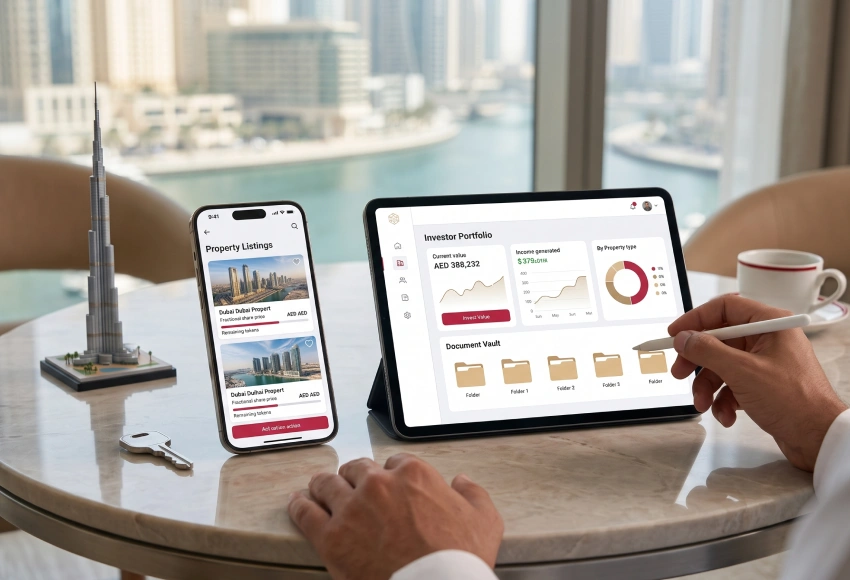





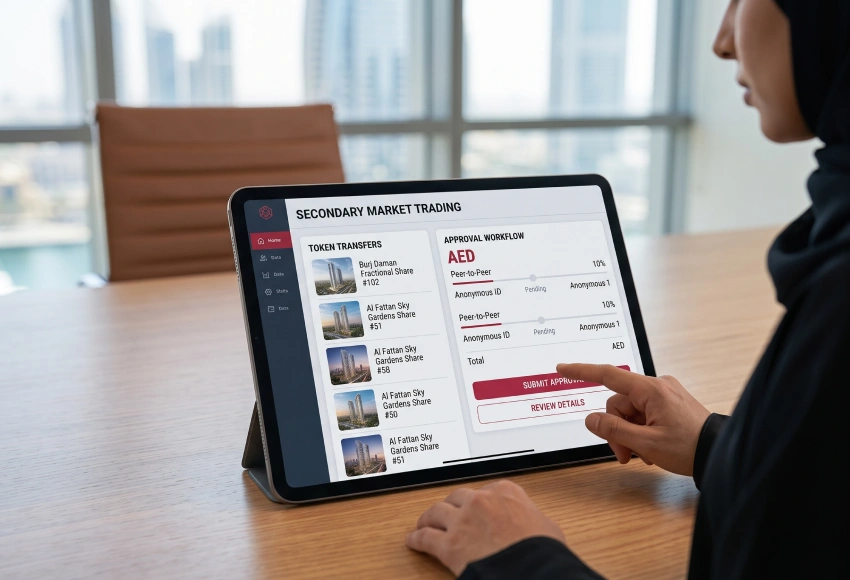
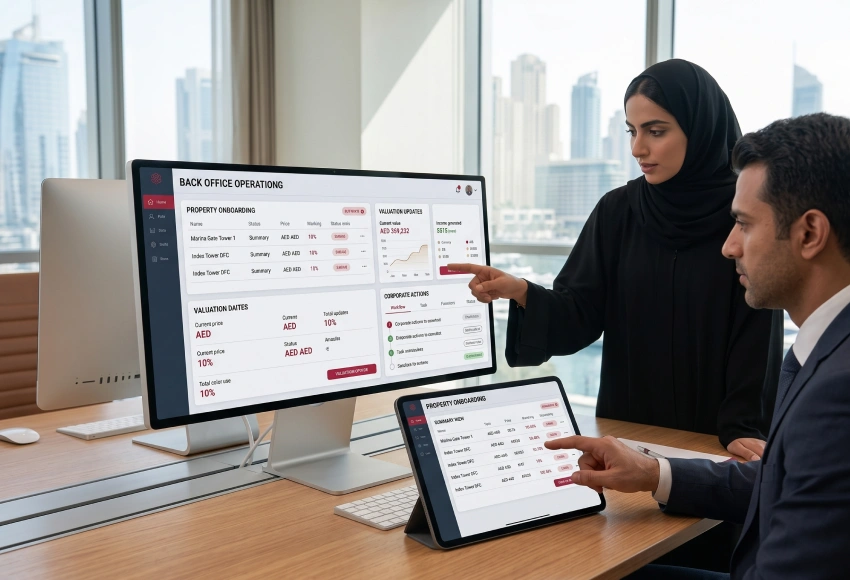
Our Real Estate Tokenisation Development Process
Why Choose Royex for Real Estate Tokenisation Platform Development

Built to Scale From MVP to Multi-Asset
We architect the platform from day one to grow from a single-property MVP into a full multi-asset system with secondary market functionality, rather than treating each stage as a separate rebuild. That means your early validation phase isn't throwaway work — it's the foundation the scaled platform is built on, saving significant time and cost as you expand.

Regulation-First, Not Code-First
We don't start building until the regulatory-technical architecture is scoped and settled. That sequencing matters in tokenisation more than almost any other build, because a platform designed around the wrong token standard or custody model can mean rebuilding from the ground up later. Starting with a paid scoping phase means the expensive mistakes get caught on paper, not in production.
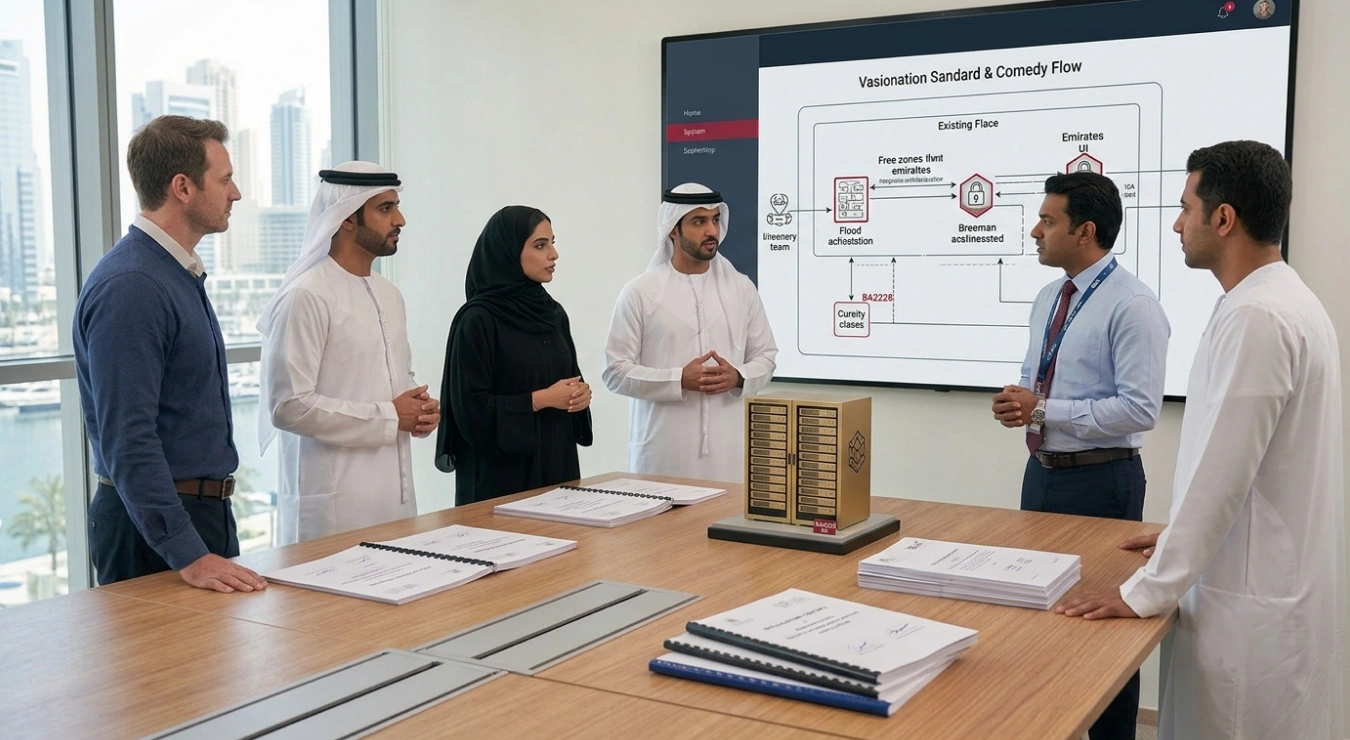
UAE and GCC Regulatory Fluency
Our team works within the same regulatory environment your platform will operate in, across free zones, emirates, and asset classes with different rules. We can speak directly to regulators and investors about the architecture, not through a layer of translation or guesswork. That fluency shortens approval cycles and reduces the risk of a compliance gap surfacing after launch.

You Own the Scoping Document and the Platform
The scoping deliverable is yours to keep even if you don't proceed to the build, and the completed platform comes with full source code and documentation, not restricted or partial access. There's no vendor lock-in holding your tokenisation infrastructure hostage. That ownership matters both for operational independence and for investor due diligence down the line.
Frequently Asked Questions
A: A single-property MVP platform typically starts from AED 300,000, with full multi-asset platforms including income distribution and a secondary market ranging up to AED 800,000. Every project begins with a paid scoping phase from AED 40,000.
A: No technology vendor can guarantee regulatory approval — and you should be cautious of any that promise it. What we deliver is a platform built to VARA's published standards, which strengthens your application.
A: Property developers funding projects through fractional sales, investment firms launching fractional ownership products, family offices tokenising income-generating portfolios, and founders with VARA license applications in progress.
A: Dubai has a regulatory framework for virtual assets through VARA, and the Dubai Land Department has piloted tokenised title deeds. Operating a platform requires appropriate licensing — Royex builds the compliant technology while your legal advisors handle the license.
A: We typically implement permissioned security-token standards such as the ERC-3643 class, which embed transfer restrictions, investor whitelisting, and compliance controls directly into the token.
Blogs & news
The Future of Logistics and Fleet Management in the UAE
Fleeto is Royex's logistics management system, designed to bring shipment tracking, fleet coordination, warehouse operations, and delivery scheduling...
Know More
7 Best Ecommerce Development Companies in Dubai (2026)
Choosing the right ecommerce development partner in Dubai can make or break your online store. We looked at agencies across the city that combine tec...
Know More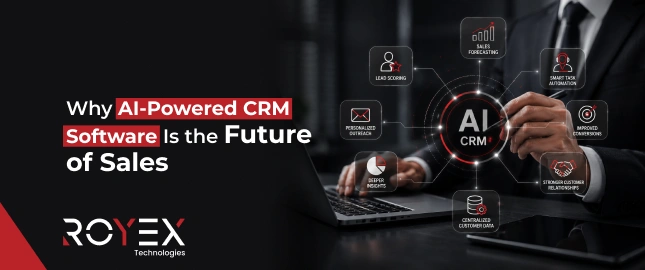
Why AI-Powered CRM Software Is the Future of Sales
Buyers now expect fast, relevant, personalized responses. Sales teams are managing more leads across more channels than ever. That's the shift AI-pow...
Know More
Why AI-Powered Project Management Software Is the Future of Delivery
Project management software is shifting from passive tracking to predictive delivery. This article breaks down what "AI-powered" actually means in pr...
Know More
Agentic AI in Mobile Apps: The Next Generation of Mobile Experiences
Static, tap-through apps are giving way to agentic ones that can understand a goal and complete multi-step tasks on their own. This article breaks do...
Know More