









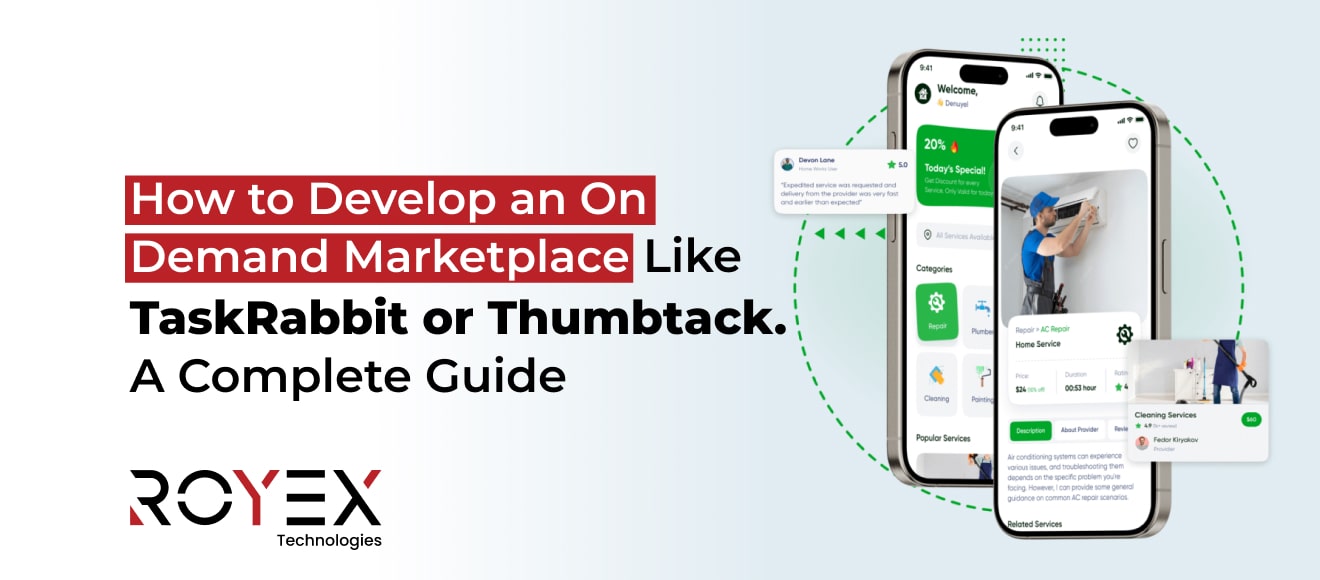
How to Develop an On Demand Marketplace Like TaskRabbit or Thumbtack. A Complete Guide
In today’s fast-paced world, convenience has become a top priority. People no longer want to spend hours searching for services or waiting for help. This is where on-demand marketplaces like TaskRabbit and Thumbtack have transformed the way we access services. From home repairs to personal tutoring, these platforms connect users with skilled professionals instantly, making life simpler and more efficient.
If you are an entrepreneur or business owner looking to tap into this growing market, creating an on-demand marketplace can be a game-changer. However, developing a platform that meets user expectations and stands out in a competitive space requires careful planning and expert execution. This is where partnering with a trusted mobile app development company can make all the difference. With the right technical guidance, you can turn your marketplace idea into a seamless, user-friendly platform that attracts both customers and service providers.
In this complete guide, we will take you step by step through the process of developing an on-demand marketplace like TaskRabbit or Thumbtack. From understanding the core features to choosing the right technology, we will cover everything you need to launch a successful platform that delivers real value.
What Is an On Demand Marketplace
An on-demand marketplace is a platform that connects people who need services with those who can provide them, all in real time. Imagine you need someone to assemble furniture or clean your home. Instead of searching through multiple websites or calling different companies, you can open an app and find a professional instantly. These platforms make it easy for users to get what they need quickly and efficiently.
On-demand marketplaces are not limited to home services. They can cover a wide range of industries like personal tutoring, pet care, delivery, or even freelance work. What makes them powerful is the convenience they offer. Users can compare providers, read reviews, and book services in just a few clicks. For service providers, these marketplaces open up a new way to reach customers without heavy marketing or physical storefronts.
The core idea behind these platforms is trust and speed. They rely on technology to match demand with supply instantly, offering clear communication, secure payments, and verified reviews. The success of platforms like TaskRabbit or Thumbtack comes from their ability to make service delivery seamless for both users and providers. Building an on-demand marketplace requires understanding these needs and creating an experience that feels simple, reliable, and fast.
Why On-Demand Marketplaces Are Growing Fast
People love services that save time. Modern life moves fast, and convenience has become a priority. On-demand platforms offer this convenience. They allow users to find trusted service providers within minutes.
Here are some reasons behind the rapid growth of the on-demand economy.
1. Easy to Use
Users no longer want to wait. If a task needs to be done today, they want someone who can handle it now. On-demand marketplaces connect users with available professionals instantly. This instant access is a major reason people prefer these platforms over traditional methods.
2. Trust and Safety
Hiring a stranger can be risky. On-demand platforms provide verified profiles, ratings, and reviews. Users feel confident in their choice, and workers build credibility. This trust encourages more people to join and continue using the service.
3. Flexibility for Workers
Many people are looking for flexible work. Freelancers, part time workers, and small business owners can pick the jobs they want and decide their working hours. On-demand marketplaces make this flexibility easy, attracting a growing number of service providers.
4. Better Management for Customers
Users can track bookings, check availability, and make secure payments. No need for phone calls or follow-ups.
5. Huge Market Opportunity
The demand for home services keeps growing. People want quick and reliable help. A well-designed marketplace can grow quickly and become profitable.
How On-Demand Service Platforms Like TaskRabbit and Thumbtack Works
On-demand service platforms like TaskRabbit and Thumbtack look simple on the surface. You open the app, search for a service, book a person, and get the job done. But behind this smooth flow, there is a strong system that keeps everything moving. These platforms bring real people together at the right moment. They help users save time and help service providers find more work without spending money on promotion. Understanding how these platforms work will also help you understand how to build your own marketplace.
1. A Place Where People Come With A Need
Every on-demand platform starts with a simple idea. People face daily problems and want quick help. This can be cleaning, moving, fixing a leak, painting, repairing furniture, setting up electronics, or any other small or big task. The platform acts as a meeting point where users can ask for help. They share the job details, location, and time. In return, the platform shows them a list of skilled people who can complete the work.
TaskRabbit and Thumbtack focus on trust and comfort. Users only need to explain what they want. The system does the rest. It connects them with the right person and keeps the process smooth. This approach removes stress from daily life and creates a sense of confidence among users.
2. A Smooth Flow That Connects Users And Providers
The heart of an on-demand platform is its matching system. Once a user explains their need, the platform filters the best people for the job. This is not random. The platform uses location, skills, reviews, pricing, and availability to suggest the right match.
TaskRabbit uses a quick booking flow. Users choose a task type and the platform shows available taskers near them. Thumbtack uses a quote based model. Users share their needs, and professionals send personal quotes. Both systems work because they understand how people want to hire help. Some users like to pick someone instantly. Others like to read quotes and compare options.
After the match is made, the platform keeps the communication inside the app. This creates clarity and safety. Users can chat, share details, and fix a time that suits both sides. The entire process stays organised, which makes the experience smooth for everyone involved.
3. A Reliable Profile System That Builds Trust
Trust is the core of any on-demand marketplace. People invite strangers into their homes or depend on them for important tasks. To make this safe, TaskRabbit and Thumbtack use a strong profile verification process. Service providers must complete identity checks, skill checks, and sometimes background screening. This protects users and raises the quality of service.
Each profile shows real information. This includes work history, photos, reviews, and ratings from past customers. These details help users feel confident while booking. A provider with many good reviews becomes more trusted and gets more jobs. This creates a fair and transparent system that motivates providers to do good work.
4. A Clear Pricing And Payment System
Both TaskRabbit and Thumbtack make the payment process simple. Users can see the cost before confirming a booking. TaskRabbit shows hourly rates for each tasker. Thumbtack allows providers to send quotes based on the job. This flexibility helps users choose options that match their budget.
Payments stay inside the platform. Users pay through secure digital methods. The platform releases the payment to the service provider after the work is completed. This protects both sides. Users do not worry about overcharging and providers do not worry about late payment. It also gives the platform a simple way to earn money by keeping a small service fee.
5. Real Time Tracking And Smooth Communication
On-demand platforms must keep everything transparent. TaskRabbit and Thumbtack include in app chat, updates, reminders, and sometimes real time tracking. This helps users stay informed from the moment they book until the job is finished.
If the provider is running late, they can update the user. If the user wants to explain more details, they can send a message anytime. This improves the experience and keeps both sides comfortable.
6. A Fair Review System That Improves Quality
Platforms grow when people trust them. That is why reviews are a major part of the experience. After each job, users rate the service provider and share feedback. This rating affects the provider’s visibility on the platform.
Good providers rise quickly and get more bookings. Poor service reduces chances. This natural reward system keeps quality high without extra effort. It also helps users choose reliable providers based on real experiences.
7. A Strong Tech System Behind The Scenes
The smooth experience you see comes from strong technology. On-demand platforms use many features to make everything work. These include a smart search system, filters, user authentication, mobile notifications, geo location, payment gateways, and data security tools.
The platform also collects insights to improve the experience. It studies which services are in demand, which locations have more requests, and what users expect. This helps the business grow and stay ahead of competitors.
8. A Simple And Flexible Way For People To Earn
Service providers love TaskRabbit and Thumbtack because they can choose when they want to work. They set their rates, accept jobs based on their schedule, and grow their income without any long term commitment. This flexible model attracts thousands of skilled people. It also keeps the platform active and ready to help users at any time.
When providers do good work, they earn more reviews and grow their reputation. This increases their visibility and brings more income opportunities.
How TaskRabbit and Thumbtack Actually Make Money
Every on demand marketplace needs a clear way to earn revenue. TaskRabbit and Thumbtack have grown into strong platforms because they use simple and transparent methods that work for both users and service providers. Their earning models focus on trust, smooth payments, and a fair system that supports the whole marketplace. Understanding how they make money will help you plan your own platform with confidence.
1. Service Fees Collected From Each Job
The main source of income for both TaskRabbit and Thumbtack is the service fee charged on every job. This fee is added to the final bill and paid by users. It helps the platform cover operational costs and maintain a safe environment for both sides.
On TaskRabbit, the user pays a small extra amount when they book a tasker. This fee supports customer support, secure payment handling, and platform improvement. It also creates a stable flow of revenue since each completed task brings a fresh earning opportunity. Thumbtack also collects revenue from jobs completed through the platform, although the process works differently.
This model benefits the platform because it grows naturally as the number of bookings grows. It also keeps the entry barrier low for service providers. They join without upfront charges and pay only when they actually get work through the system.
2. Charges Applied To Service Providers
Service providers on these platforms also pay to get more visibility and more job opportunities. This helps the platform earn while also supporting providers who want steady work.
TaskRabbit follows a simple approach. It charges providers a small one time registration fee. After that, the provider can start accepting tasks. This fee ensures that only serious providers join the system and helps maintain service quality.
Thumbtack uses a different model. It charges providers for sending quotes to users. Each time a professional responds to a job request, they pay a small amount. If the user contacts them back or hires them, Thumbtack earns again through additional charges. This system works well for skilled professionals who want to manage their own lead generation.
Both approaches create a strong revenue base. More providers mean more activity, which then results in more payments flowing back to the platform.
3. Extra Fees For Special Features
Platforms like TaskRabbit and Thumbtack also earn from add ons or premium features that help both users and providers improve their experience.
Some providers pay for better ranking or visibility. They want their profiles to appear higher in search results. This extra visibility helps them secure more jobs, so it becomes a profitable investment for them.
Users sometimes pay extra for priority booking or immediate service. They want someone to arrive as fast as possible, and the platform earns from this choice. These small extra charges add up and create a steady income source without affecting the normal booking flow.
4. Secure Payment Handling
Payment processing is another area where these platforms earn money. Every time a user pays through the app, the platform collects a small processing fee. This covers secure payment technology, fraud prevention, and smooth transfer of money to the provider.
The best part of this model is that it works quietly in the background. Users pay for convenience. Providers receive their money on time. And the platform earns with every transaction.
5. Growing Through Repeat Use
TaskRabbit and Thumbtack also earn more because their users return again and again. A single user needs help many times in a year. They may need cleaners, movers, repair services, home organisers, or outdoor workers. Every new request adds more transactions, which means more earnings for the platform.
A strong review system and trusted profiles make users feel comfortable hiring through the platform instead of looking outside. This creates long term value. The more people trust the platform, the more they use it. And this steady activity becomes a reliable revenue stream.
6. Long Term Partnerships And Business Deals
As these platforms grow, they also build partnerships with brands and local businesses. Retail stores sometimes work with TaskRabbit to help customers with furniture assembly or home setup. These partnerships bring extra revenue and strengthen the brand image.
Thumbtack works with businesses that offer training or tools for service providers. These partnerships help the platform expand its network while earning additional income.
Why Now Is the Right Time to Start Your Own On Demand Services Platform Like TaskRabbit
The world is moving faster than ever. People want everything done quickly. They want help that comes on time and without stress. This simple shift in behaviour is opening a huge space for on demand services. More people now prefer to book a cleaner, a mover, a handyman or a helper from their phone. They do not want long calls or long searches. They want quick support. This growing habit is a clear sign that now is the best time to start your own on demand services platform.
Customers also trust digital helpers more than before. They read reviews. They compare prices. They check worker profiles. This makes them feel safe. Platforms like TaskRabbit and Thumbtack have shown that people are ready to pay for comfort. They want reliable help at the right moment. This change in thinking creates a strong foundation for new platforms. If you offer a clean and simple service, customers will join without any hesitation.
The market is also expanding because many workers want flexible income. They want jobs they can choose. They want to work during hours that suit them. On demand service platforms give them that freedom. They can pick tasks, choose time slots and earn without depending on one employer. This growing supply of skilled workers makes it easy for new platforms to grow quickly. When more workers join, customers get more choices. That balance helps the platform succeed.
Another reason why now is the perfect time is the rise of mobile use. Almost every person has a smartphone. They are used to doing everything online. Shopping. Booking rides. Ordering food. Paying bills. This behaviour makes it simple to introduce service booking apps. People already understand how they work. You do not need to teach them. This reduces the struggle of entering the market.
Technology has also become more friendly and more affordable. You can now build strong apps without spending a huge amount. Tools for location tracking, online payments, chat features and real time notifications are easily available. This makes it possible to launch a powerful platform in a short time. You can start small and grow step by step without risk.
There is another important factor. The demand for local services is rising in every city. People need help with cleaning, repairing, fixing, gardening and shifting. These tasks come again and again. A platform that solves these daily needs becomes a regular part of their life. Once customers trust your service, they return many times. This creates stable income and long term growth.
The current business climate also supports new startups. Investors want ideas that solve daily problems. They know that the on demand model has already proven itself. This attracts support and funding for platforms that show potential. If your idea is strong and your execution is clear, your chances of growth are high.
In simple words, this is the right moment because the market is ready. Customers want comfort. Workers want flexibility. Technology is friendly. Costs are low. Local service demand is rising. And people trust digital platforms more than ever. If you start now, you can capture a large audience before the market becomes crowded.
Building your own on demand services platform today is not only possible. It is smart. It is timely. And it can grow fast with the right plan. The opportunity is open. All you need is the right strategy and a clear vision to bring your idea to life.
Important Features Your Marketplace Must Have
A strong on demand marketplace needs the right set of features to support users and service providers. These features create trust, safety, and convenience. They also make your platform easy to use and help it grow in a natural way. If you want to build a marketplace like TaskRabbit or Thumbtack, you must focus on the right tools from the start. Each feature plays a key role in shaping the experience. Below are the main features that every successful on demand platform must include.
1. Simple Sign Up And User Profiles
Your platform should make it easy for people to join. Users and service providers must be able to create their accounts quickly. They should also be able to update their details without any trouble. A clean user profile shows their name, photo, contact information, and basic preferences.
For service providers, the profile has even more value. It shows their skills, work history, work photos, and the areas they cover. A strong profile helps users trust the person they hire. It also helps providers display their abilities and build their reputation on the platform.
2. Smart Search And Clean Filters
People come to your app with a clear need. They want to find the right person without wasting time. This is why you need a search system that works smoothly. Users should be able to type what they want and get results instantly.
Filters are also important. Users must be able to sort providers by skill, price, rating, distance, and availability. When the search feels easy, the whole platform becomes more useful. It also increases the chance that the user will complete a booking.
3. A Strong Matching System
The matching system is the heart of an on demand marketplace. It connects users with the right service providers. The system must study several details. This includes location, skills, reviews, response speed, and past performance.
TaskRabbit shows providers based on availability and distance. Thumbtack uses a request based system that lets providers send quotes. Both models depend on smart matching. If your platform can match users with the right provider instantly, it increases satisfaction and trust.
4. Easy Booking And Scheduling
A good on demand marketplace helps users book a service without confusion. The booking flow should be clear and short. Users must be able to choose the date, time, and type of service. They should also be able to leave special instructions if needed.
Service providers must be able to manage their schedules. They should see new requests, accept tasks, and update their availability. When both sides can schedule easily, the experience becomes smooth and reliable.
5. Secure And Simple Payment System
Payments must be safe and smooth. Users trust a marketplace only when they know their money is handled properly. Your platform must accept all major payment methods. It should also show clear prices before the user confirms the booking.
After the service is done, the payment should reach the provider without delay. This helps you keep both sides happy. A secure payment system also protects your platform from fraud and builds long term trust.
6. In App Chat And Communication Tools
People need to talk to each other before and after booking. A built in chat system helps users and providers share details. They can discuss timing, location, or special requests. This removes confusion and reduces the chance of cancellations.
A simple chat tool also helps the platform record conversations. This makes it easier to solve disputes or clear misunderstandings. Many users feel safer when all communication stays inside the app.
7. Real Time Alerts And Updates
Notifications keep the entire system active. They tell users when a provider accepts their request. They remind providers about upcoming tasks. They alert everyone about changes or updates.
These small alerts help people stay informed. They guide users through the whole process without making them check the app again and again. Real time updates improve trust and make the experience feel smooth.
8. Ratings And Review System
Reviews shape the reputation of your marketplace. After each job, users should be able to rate the provider and share their experience. These ratings help other users choose the right person. They also motivate providers to offer better service.
A fair review system creates natural growth. High rated providers get more bookings. New providers learn what people expect. The overall quality of the platform improves without extra effort.
9. Provider Verification And Safety Tools
Safety is one of the most important parts of an on demand platform. People must feel comfortable inviting someone into their home. You should verify the identity of every service provider. Some platforms also run background checks to increase safety.
Clear safety steps help users trust your marketplace. When people feel protected, they use the platform more often. Safety also reduces complaints and keeps your community healthy.
10. Location Tracking For Fast And Accurate Service
Location tracking helps users find providers near them. It also helps providers reach the customer quickly. It shows accurate distance and gives a clear idea of when the provider will arrive.
Real time tracking is useful for services like cleaning, repairs, moving, and delivery. It adds transparency and improves the entire experience.
11. Support And Help Center
Every platform must offer fast support. Users may face issues with payments, bookings, or providers. Providers may need help with account settings or task management. A simple help center with clear steps and quick replies builds trust.
You can include chat support, email support, and a small help section inside the app. This makes the platform feel friendly and reliable.
High ROI Features That Take Your Marketplace to the Next Level
A basic on demand marketplace can help people find service providers, but a platform that wants long term success needs more. High ROI features bring more value to users, attract skilled providers, and improve the overall experience. These features also help the platform stand out in a competitive market. When people enjoy using your app, they return again and again. Below are key features that not only improve experience but also create strong returns for your business.
1. Advanced Rating System That Shows Real Quality
Most platforms offer simple reviews, but a deeper rating system adds more trust. Users want to see more than just stars. They want detailed feedback on punctuality, skill, communication, and overall behavior. When ratings become more specific, users choose with confidence.
This feature increases ROI because it brings transparency. Good providers rise faster and get more bookings. Users feel safe and return for more services. As trust grows, the platform sees natural growth with very little extra effort.
2. Smart Provider Recommendation For Faster Decisions
People do not want to scroll forever. A smart recommendation tool studies user behavior and suggests the best match instantly. It learns from past bookings, preferred price range, service type, and location patterns.
This feature improves user satisfaction and reduces drop offs. When people find what they want quickly, they complete the booking. This increases revenue and keeps the marketplace active all day. It also helps new providers gain visibility when the system finds a good match for them.
3. Repeat Booking Tools For Frequent Users
Many users need the same service often. It can be cleaning, gardening, maintenance, or any routine task. A repeat booking tool lets users schedule tasks again with a single tap. They do not need to search, compare, or explain anything again.
This simple feature increases retention and lifetime value. It creates a steady flow of jobs for providers and a stable revenue stream for the platform. Users also feel more connected to the marketplace because it saves them time.
4. Fast In App Support With Real Time Help
When something goes wrong, users want help right away. A fast support tool inside the app does more than solve problems. It builds trust and reduces cancellations. Live chat support or quick response support makes users feel safe during the whole booking process.
This feature offers high ROI because it prevents people from leaving your platform after a bad experience. It improves customer loyalty and protects revenue. It also reduces disputes between users and providers.
5. Loyalty Programs For Returning Customers
Rewarding loyal customers is a smart way to grow. A simple points system or small reward for repeated use encourages people to choose your platform again. They feel valued and enjoy earning rewards.
Loyalty programs bring strong returns. They increase monthly bookings and help you create a stable user base. These returning customers also bring referrals, which increases growth without heavy marketing costs.
6. Profile Boost For Service Providers
Many providers are willing to pay for extra visibility. A profile boost feature gives them a chance to appear at the top of search results for a limited time. It is a fair way to help them increase their income while creating a new revenue stream for your platform.
This feature has very high ROI. It earns money from providers and also improves the marketplace by encouraging them to offer better service. The more visible they are, the more motivated they become to keep high ratings.
7. Real Time Location Insights For Better Precision
Location based tools make the platform more accurate. Real time location insights help users find providers closer to them. It also gives providers a better idea of how far they need to travel. This reduces delays and improves the entire experience.
This feature increases ROI because it reduces cancellations and speeds up service delivery. Fast and accurate service leads to happier users, more repeat bookings, and better reviews.
8. Service Bundles That Increase Transaction Value
Some users need more than one service at the same time. A bundle feature lets people book multiple tasks in one order. For example, cleaning, furniture assembly, and moving help can come together in one request.
This feature increases the size of each booking. It adds comfort for the user and increases earnings for both the provider and the platform. It also saves users time, which raises satisfaction and loyalty.
9. Saved Providers And Favorites List
People often like to work with the same person again. A simple favorites list helps users save their preferred providers. They can contact them quickly the next time they need help.
This feature improves retention in a powerful way. When users return to the same provider, the platform gains stable revenue without extra marketing. Providers also benefit because they get repeat customers who trust them.
10. Clear Service Tracking From Start To Finish
A progress tracker gives users a sense of control. They can see when the provider is on the way, when the task starts, and when it ends. This reduces uncertainty and gives users a smooth experience.
A clear tracking system has high ROI because it creates trust. Users feel safer and recommend the app to others. Service providers also enjoy fewer calls asking for updates, which helps them focus on their tasks.
11. Multi Language Support
This will attract people who prefer using apps in local languages.
High Performance Tech Stack for On Demand Marketplace Apps
A strong on demand marketplace depends on a reliable and stable tech foundation. The right tech stack makes your app fast, secure, and easy to scale. It also reduces errors, improves user experience, and supports long term growth. When your platform grows and attracts more users, your tech stack must be ready to handle the pressure. A high performance stack brings smooth interactions and helps your marketplace work without slowdowns. Below are the main layers that shape a powerful on demand marketplace.
1. Front End Technologies for a Smooth User Experience
The front end is the part of the app users see and interact with. It must feel clean, fast, and natural. People judge your platform within seconds, so your front end must load quickly and respond without delay.
Common choices include React, Vue, and Angular. These tools help your app feel lighter and more interactive. They update the screen in real time when users search, filter, or book a service. They also support animations, smooth transitions, and simple page flows.
For mobile apps, React Native and Flutter are popular. They help you build apps for both Android and iOS using one code base. This reduces development time and keeps your user experience consistent across devices.
2. Back End Technologies That Handle Heavy Work
The back end manages everything that happens behind the scenes. It handles sign ups, logins, service searches, payments, provider matching, and real time interactions. A strong back end keeps your app stable even when thousands of users are online at the same time.
Popular back end choices include Node, Python with Django or Flask, Ruby on Rails, and Java with Spring. These options are reliable and can manage high traffic. They also support complex features like scheduling, real time alerts, chat tools, and advanced search.
The back end must be built to scale. As your marketplace grows, the system should handle more requests without slowing down. A well designed back end also improves security and prevents data leaks or unauthorized access.
3. Secure And Reliable Database Systems
Your database stores user profiles, provider information, service details, bookings, reviews, and payments. A strong database must be fast, secure, and able to handle large amounts of data.
Common database choices include MySQL, PostgreSQL, and MongoDB. These systems offer strong performance and high security. They can handle real time updates and manage thousands of records without freezing.
A good on demand marketplace also needs caching tools like Redis. Caching reduces loading time and speeds up search results. This creates a smoother experience for users and helps the app feel more responsive.
4. Real Time Communication Tools
Real time features make an on demand app feel alive. Users need instant alerts when a provider accepts their request. Providers need reminders about upcoming tasks. Both sides need real time chat to share details.
For real time features, developers use tools like WebSockets or Firebase. These tools support instant updates without refreshing the screen. They also help track provider location, show status updates, and send push alerts.
Real time communication builds trust because it shows the user exactly what is happening at each step.
5. Payment Gateways for Safe Transactions
Payments are one of the most sensitive parts of a marketplace. Users trust your app with their money, so your payment system must be secure and stable.
Popular payment gateways include Stripe, PayPal, Razorpay, and Braintree. They support fast transfers, card payments, and digital wallet options. They also protect the platform from fraud and errors.
A strong payment system reduces failed transactions and supports smooth refunds. It also helps service providers receive their earnings without delay.
6. Cloud Hosting and Server Management
Cloud hosting gives your marketplace the power to grow without limits. Instead of running on a small local server, your app should run on secure, global cloud platforms.
Good options include AWS, Google Cloud, and Microsoft Azure. These services offer fast servers, strong security, and automatic scaling. When your platform gets more traffic, the cloud system increases resources instantly. When traffic drops, it reduces resources to save cost.
Cloud hosting also supports backups, monitoring, and disaster recovery. This ensures your app stays online even during heavy traffic or system issues.
7. Location Services for Accurate Tracking
Many on demand services depend on location. Users want providers nearby. Providers want to find the right route to the user. Your platform needs location tools that work with accuracy.
Google Maps, Mapbox, and OpenStreetMap are common choices. They support real time navigation, distance tracking, and service area detection. These tools improve service speed and help users make better decisions.
8. Authentication And Safety Tools
Safety builds trust. Your marketplace must protect user data and prevent unauthorized access. You need strong authentication tools that check identity and keep accounts safe.
Tools like OAuth, JWT, and two factor authentication help secure accounts. They protect users from password theft and suspicious activity. You can also add verification tools like document scanning to verify providers.
A safe platform attracts more users because they know their information is protected.
9. Analytics And Performance Tracking
To grow your platform, you must study user behavior. Analytics tools show what users love, what they ignore, and where they drop off. This helps you improve the app and increase revenue.
Tools like Google Analytics, Mixpanel, and Hotjar help track patterns. They show how users move inside the app and which features create more engagement. This lets you make better decisions based on real data.
How Much Does It Really Take to Build a Marketplace Like TaskRabbit
Building an on-demand marketplace like TaskRabbit may sound exciting, but it comes with careful planning, investment, and smart execution. Many entrepreneurs wonder about the real cost of developing such a platform. The truth is, there isn’t a one-size-fits-all answer. The total cost depends on features, design, technology, and team size. Let’s break it down in simple terms.
While costs vary based on location, complexity, and features, a rough estimate can help plan the budget:
- Basic MVP Version: $30,000 to $50,000
- Limited features, simple design, and basic admin panel.
- Medium Complexity Marketplace: $50,000 to $100,000
- Includes core features, payment integration, geolocation, and moderate design effort.
- Advanced Marketplace: $100,000+
- Full-featured platform with AI matching, in-app chat, advanced analytics, and multi-platform support.
These estimates include design, development, testing, and initial deployment but exclude ongoing marketing, server maintenance, or future feature updates.
Key Features That Impact Cost
When planning an on-demand marketplace like TaskRabbit or Thumbtack, understanding which features drive development costs is crucial. Not all features are equal. Some require complex programming, third-party integrations, or advanced infrastructure. Knowing this helps you prioritize and manage your budget effectively.
User Registration and Profiles
Every marketplace starts with user accounts. Allowing users to sign up via email, phone, or social media is standard. Profiles need to store personal information, skills, ratings, and past activity. While basic registration is simple, adding detailed profiles with verification and portfolio features increases development effort and cost.
Search and Filtering
A strong search and filtering system is vital for a smooth user experience. Users should find the right service provider quickly. Filters may include location, availability, service type, and price. The more precise and dynamic your search, the higher the technical complexity and cost.
Booking and Scheduling
Booking features let users select time slots and confirm appointments. Integrating real-time availability, automated reminders, and calendar sync adds layers of complexity. If your platform handles multiple providers and overlapping schedules, the cost increases further.
Payment Processing
Secure and smooth payment systems are essential. Supporting multiple payment methods like credit cards, wallets, or digital banking requires integration with payment gateways. Advanced features such as split payments between platform and service providers or subscription models also affect cost.
Ratings and Reviews
Feedback helps maintain trust and quality. Implementing a robust rating and review system is straightforward, but adding moderation, fraud detection, or verified reviews increases development effort.
Notifications and Communication
Push notifications, emails, and in-app messaging keep users engaged. Real-time chat with service providers adds complexity but improves user satisfaction. Advanced notification logic, like reminders for incomplete bookings, can influence overall cost.
Admin Panel
A powerful admin panel is the backbone of your platform. It allows you to manage users, bookings, payments, disputes, and reports. The more analytics and control features you add, the more development time and cost are required.
Security and Compliance
Security features like data encryption, two-factor authentication, and secure storage are non-negotiable. Compliance with regulations such as GDPR or local data laws can also affect development expenses.
Every feature adds value but also increases cost. Start with a minimum viable product focusing on core functionality. You can gradually add advanced features once the platform gains traction. This approach ensures controlled spending without compromising user experience.
Why Royex Is the Ideal Partner for On Demand Marketplace Development
Building an on-demand marketplace like TaskRabbit or Thumbtack requires more than just coding skills. You need a partner who understands both technology and business. This is where Royex shines. With years of experience in app and web development, we have helped businesses turn their marketplace ideas into reality. As a leading mobile app development company in Dubai, we combine deep technical expertise with a user-centered approach to deliver high-quality marketplace solutions.
Expertise Across Platforms
We specialize in developing apps for both Android and iOS, along with robust web platforms. This means your marketplace will reach users wherever they are. From intuitive mobile interfaces to powerful backend systems, we ensure that every part of your platform works smoothly.
Custom Solutions That Fit Your Needs
Every marketplace is unique. We do not rely on one-size-fits-all solutions. Instead, we take the time to understand your business goals, target audience, and market trends. The result is a platform tailored specifically to your vision. Whether you want advanced search filters, real-time booking, or seamless payment options, we build it exactly as you need.
Focus on User Experience
A marketplace succeeds when users enjoy using it. We prioritize simple, easy-to-use designs that make it easy for customers and service providers to connect. By focusing on smooth navigation and clear interfaces, we ensure your platform keeps users engaged and coming back.
End-to-End Support
From initial planning to launch and beyond, we provide complete support. We guide you through each stage of development, offer technical advice, and help you overcome challenges. Even after your marketplace goes live, we remain a reliable partner for updates and improvements.
Proven Track Record
We have successfully delivered multiple marketplace projects for businesses across industries. Our experience ensures that you can anticipate common pitfalls and deliver solutions that save time and resources. With Royex, you get a team that not only builds your marketplace but also sets it up for long-term success.
Transparent and Collaborative Approach
Communication is key to any project’s success. We maintain clear, open communication throughout the development process. You are kept in the loop at every step, ensuring that the final product aligns with your vision.
Choosing us as your app development partner means you are investing in quality, reliability, and long-term growth. If you want to create an on-demand marketplace that stands out in today’s competitive market, Royex is the team to trust.
Final Words
Building an on-demand marketplace like TaskRabbit or Thumbtack is both exciting and challenging. It takes careful planning, the right technology, and a team that can bring your vision to life. From understanding your users to designing intuitive apps and integrating secure payment systems, every step matters.
While the journey requires investment in time, money, and effort, the rewards can be significant. A well-built marketplace not only connects people with services efficiently but also creates a strong business that can scale over time.
Partnering with an experienced mobile app development company in Dubai can make this process smoother. They can help turn your ideas into a functional, user-friendly platform, ensuring your marketplace stands out in a competitive market.
Starting small with a clear roadmap and expanding based on real user feedback is often the smartest approach. With the right strategy, technology, and support, your on-demand marketplace can grow into a trusted platform that meets the needs of both users and service providers. The future of on-demand services is bright, and there has never been a better time to launch your marketplace.