









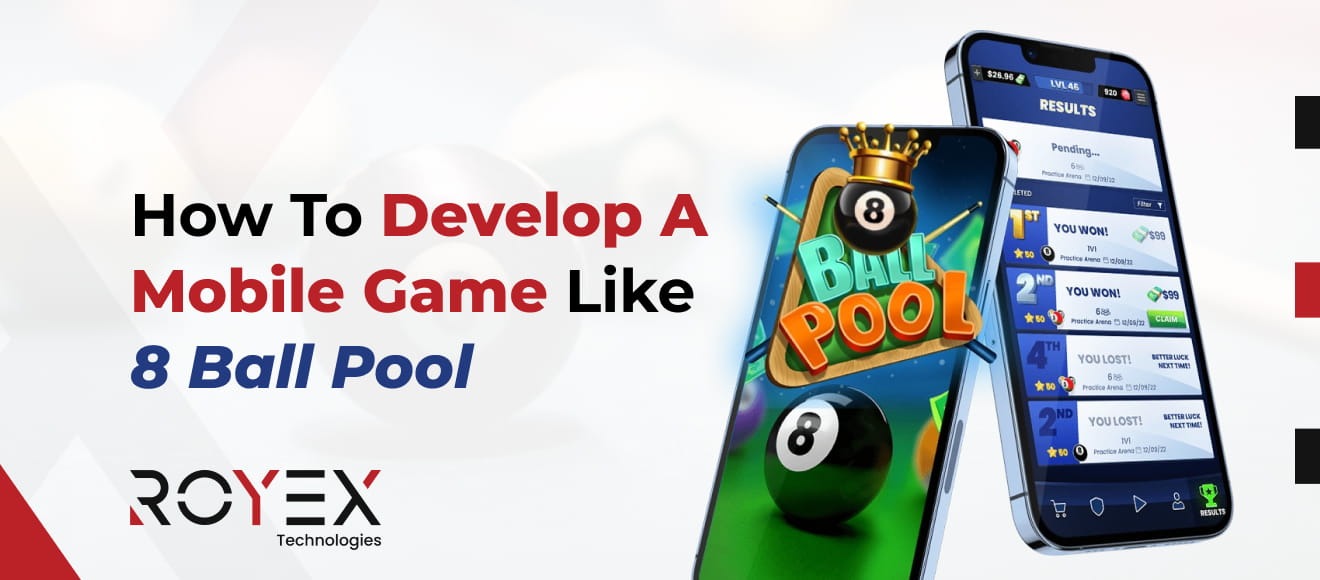
How To Develop A Mobile Game Like 8 Ball Pool
Mobile gaming has transformed from a casual pastime into a multi-billion-dollar global industry, and multiplayer sports-style games sit right at the heart of this growth. One of the most iconic examples is 8 Ball Pool, a game that combines simple mechanics with competitive multiplayer gameplay, real-time physics, and social interaction. Its success isn’t accidental—it’s the result of careful game design, strong backend architecture, smooth user experience, and continuous optimization.
If you’re considering developing a mobile game like 8 Ball Pool, you’re essentially aiming to build a real-time multiplayer game that feels intuitive, competitive, and endlessly replayable. This article walks you through every major step involved in developing such a game—from concept and mechanics to technology, monetization, and post-launch scaling—while keeping a business-focused perspective throughout.
Understanding What Makes 8 Ball Pool Successful
Before writing a single line of code, it’s critical to understand why 8 Ball Pool works so well.
Simple Core Gameplay with Depth
The rules of 8 ball pool are easy to understand, even for first-time players. However, mastering shot angles, spin, power control, and strategy takes time. This balance between simplicity and depth keeps both casual and competitive players engaged.
Real-Time Multiplayer Experience
One of the biggest reasons for its popularity is real-time PvP gameplay. Players are matched instantly, creating tension, excitement, and replay value.
Strong Physics Engine
Accurate ball movement, collisions, friction, and spin make the game feel realistic. Poor physics can instantly ruin player trust and enjoyment.
Social and Competitive Elements
Features like leagues, trophies, leaderboards, clubs, and chat systems add a social layer that encourages long-term retention.
Smart Monetization
The game monetizes without forcing payments, allowing free players to enjoy the experience while offering paid advantages through coins, cues, and customization.
Step 1: Game Concept and Planning
Every successful game begins with a solid plan.
Define Your Game Scope
Decide whether your game will be:
-
A direct pool simulation
-
A stylized or arcade-style pool game
-
A casual or competitive-focused experience
Also define your target platforms—Android, iOS, or both.
Identify Your Target Audience
Understanding your audience shapes everything from UI design to monetization.
-
Casual players prefer quick matches and simple controls
-
Competitive players look for rankings, tournaments, and advanced mechanics
Feature List Planning
Create a clear feature roadmap, including:
-
Game modes (1v1, tournaments, practice)
-
Multiplayer and matchmaking
-
In-game economy
-
Player profiles and progression
-
Social features
Step 2: Choosing the Right Technology Stack
Technology decisions directly impact performance, scalability, and development cost.
Game Engine Selection
Unity is the most common choice for games like 8 Ball Pool due to:
-
Strong 2D and 3D support
-
Advanced physics engines
-
Cross-platform development
-
Large developer ecosystem
Unreal Engine is another option but may be excessive for casual mobile games.
Programming Languages
-
C# for Unity-based development
-
C++ if using Unreal Engine
Backend Technologies
For multiplayer and real-time gameplay, you’ll need:
-
Node.js or Java for server-side logic
-
WebSockets for real-time communication
-
Cloud services such as AWS, Google Cloud, or Azure
Database
-
NoSQL databases like Firebase or MongoDB for player data
-
SQL databases for structured game analytics
Step 3: Designing Game Mechanics
Game mechanics define how players interact with your game.
Shot Mechanics
Key elements include:
-
Power control
-
Aim precision
-
Cue ball spin
-
Shot prediction guides
These must feel responsive and fair across all devices.
Turn-Based Logic
Ensure smooth transitions between players with:
-
Time limits per shot
-
Auto-play or foul handling
-
Clear visual cues
Rule Enforcement
Your game must strictly enforce pool rules such as:
-
Fouls
-
Ball-in-hand scenarios
-
Win/loss conditions
Step 4: Physics and Realism
Physics is the backbone of a pool game.
Ball Collision and Movement
Accurate collision detection ensures balls react naturally when they hit each other or the table edges.
Friction and Spin
Simulating table friction and cue ball spin adds realism and skill-based depth to gameplay.
Cross-Device Consistency
Physics calculations must remain consistent across devices to avoid unfair advantages.
Step 5: Multiplayer Architecture
Building a real-time multiplayer system is one of the most challenging aspects.
Matchmaking System
Your system should:
-
Pair players with similar skill levels
-
Minimize wait time
-
Handle disconnections gracefully
Real-Time Synchronization
Use authoritative servers to:
-
Prevent cheating
-
Sync ball positions
-
Resolve conflicts
Latency Optimization
Reduce lag using:
-
Regional servers
-
Efficient data packets
-
Predictive client-side rendering
Step 6: User Interface and User Experience
A clean UI keeps players focused on gameplay.
Table and Environment Design
-
Minimal distractions
-
Clear ball visibility
-
Smooth animations
Controls and Feedback
-
Intuitive drag-and-release controls
-
Haptic feedback
-
Visual shot indicators
Onboarding Experience
Tutorials and practice modes help new players learn quickly without frustration.
Step 7: Player Progression and Engagement
Retention is just as important as acquisition.
Levels and XP
Reward players for:
-
Winning matches
-
Playing consistently
-
Completing challenges
Leagues and Rankings
Competitive ladders encourage repeat play and long-term engagement.
Rewards and Customization
-
New cues
-
Table skins
-
Avatars and emojis
Step 8: Monetization Strategy
A well-balanced monetization model keeps the game profitable without alienating players.
In-App Purchases
-
Coins and cash
-
Premium cues
-
Customization items
Ads
-
Rewarded video ads
-
Optional interstitials
Subscriptions
Offer VIP memberships with perks like:
-
Faster progression
-
Exclusive items
-
Reduced ads
Step 9: Security and Anti-Cheat Measures
Cheating can quickly destroy a multiplayer game.
Server-Side Validation
Ensure all game-critical actions are validated on the server.
Cheat Detection
Monitor unusual behavior such as:
-
Impossible shot accuracy
-
Suspicious win streaks
Account Protection
Secure player accounts with:
-
Encrypted data
-
Secure authentication
Step 10: Testing and Quality Assurance
Thorough testing ensures a smooth launch.
Functional Testing
Test every feature across devices and screen sizes.
Multiplayer Stress Testing
Simulate high traffic to ensure servers can handle peak loads.
Performance Optimization
Optimize:
-
Memory usage
-
Battery consumption
-
Frame rates
Step 11: Launch and Post-Launch Strategy
Launching the game is only the beginning.
Soft Launch
Release in limited regions to gather feedback and fine-tune gameplay.
Analytics and Insights
Track metrics such as:
-
Retention rate
-
Average session duration
-
Conversion rate
Continuous Updates
Regular updates with:
-
New game modes
-
Seasonal events
-
Bug fixes
Common Challenges in Developing a Pool Game
Real-Time Synchronization Issues
Small delays can affect shot accuracy and fairness.
Physics Precision
Minor physics errors can significantly impact player trust.
Player Retention
Without fresh content, even the best games can lose users.
Why Choose Royex for Mobile Game Development
Royex Technologies brings together technical expertise, creative vision, and business-focused execution to deliver high-quality mobile games that scale.
Proven Experience in Mobile Development
Royex has extensive experience building performance-driven mobile applications and real-time systems, making it well-equipped to handle multiplayer game architectures.
Expertise in Game Engines and Backend Systems
From Unity-based game development to scalable cloud backends, Royex ensures smooth gameplay, low latency, and secure multiplayer interactions.
Player-Centric Design Approach
Royex focuses on intuitive UI/UX design, engaging mechanics, and long-term retention strategies to ensure your game resonates with users.
End-to-End Development Support
From ideation and design to development, testing, launch, and post-launch optimization, Royex provides complete mobile game development services.
Scalable and Secure Architecture
Royex builds games with future growth in mind, ensuring your platform can handle increasing users, new features, and global expansion.
Final Thoughts
Developing a mobile game like 8 Ball Pool is a complex but rewarding journey. It requires a careful blend of engaging gameplay, realistic physics, scalable multiplayer architecture, and smart monetization. With the right planning, technology stack, and development partner, you can create a game that not only entertains players but also becomes a long-term revenue-generating asset.
By partnering with an experienced mobile game development company in Dubai like Royex, you gain a team that understands both the technical and strategic aspects of building successful mobile games—helping you turn your idea into the next big hit in mobile gaming.