









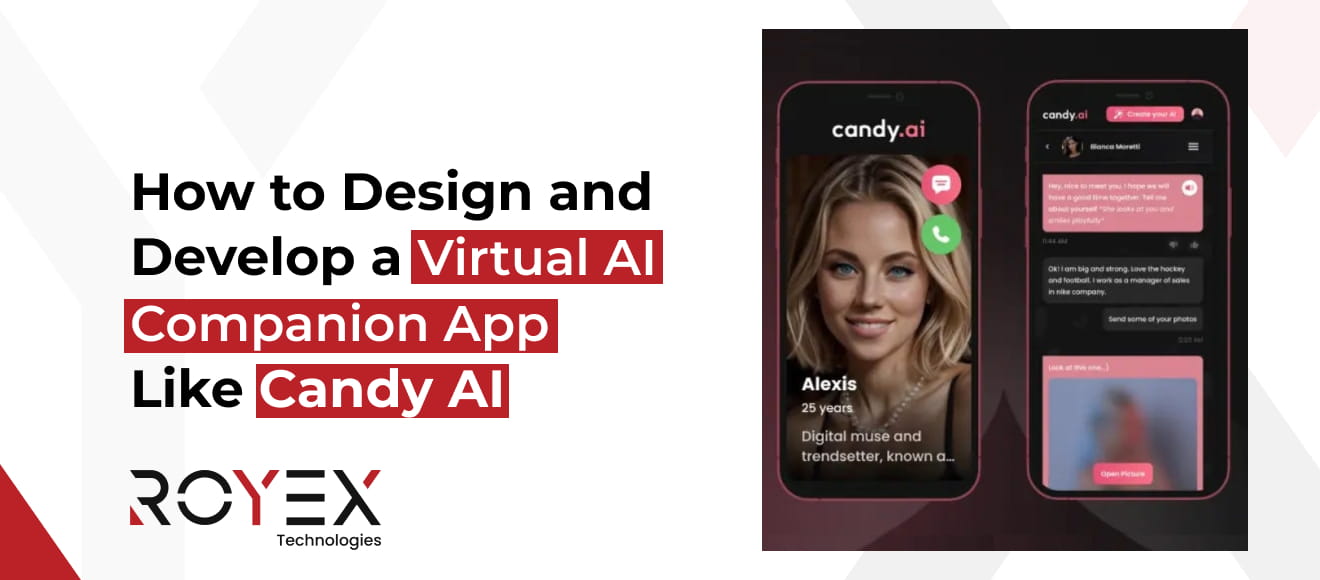
How to Design and Develop a Virtual AI Companion App Like Candy AI
People today expect more from mobile apps. They do not just want features. They want a connection. They want conversations that feel natural and responses that feel thoughtful. This is where virtual AI companion apps step in. Apps like Candy AI are transforming the way users interact with technology. They listen. They reply with emotion. And they slowly become part of a user’s daily routine.
Creating a virtual AI companion app like Candy AI is not about building another chatbot. It is about designing a digital personality. Every word matters. Every pause matters. The app must feel friendly from the first tap. The interface should feel calm and simple. The conversations should flow like real talk, not scripted replies. When users feel comfortable, they stay longer. When they feel understood, they return.
The design process starts with empathy. You need to understand why people open the app and what they hope to feel when they close it. Development then brings those feelings to life through smart AI models, smooth performance, and secure data handling. That is why many businesses choose a trusted Mobile App Development Company in Dubai to bring this vision to life and build a reliable app that scales easily and runs well on every device.
Visibility is just as important as functionality. A powerful app still needs to be discovered. Clean structure, fast load time, and search-friendly content help improve reach and engagement. When development and SEO work together from day one, growth becomes easier and more sustainable. This is why strategy matters as much as code.
In this blog, we’ll guide you through the step-by-step process of designing and developing a virtual AI companion app like Candy AI. We will cover idea planning, user experience, AI integration, and long-term growth. Whether you are a startup founder or a brand working with a Mobile App Development Company in Dubai, this guide will help you build an app that feels human, useful, and truly engaging.
Understanding What a Virtual AI Companion App Really Is
Before diving into features or technology, it is important to understand what a virtual AI companion app really is. It is not just an app that answers questions. It is not a tool you open and close without a second thought. A virtual AI companion is designed to stay with the user. It talks. It listens. It remembers. And over time, it builds a sense of familiarity that feels personal.
At its core, a virtual AI companion app is built for conversation. But not the stiff kind. The goal is to make every interaction feel natural and comfortable. Users should feel free to talk the way they talk in real life. They may share thoughts, feelings, or simple daily moments. The app responds in a way that feels kind and thoughtful. This emotional layer is what separates an AI companion from a basic chatbot.
A key part of these apps is memory. The companion does not start fresh every time. It remembers preferences, past conversations, and patterns in behavior. This helps the app respond better with each interaction. When an app remembers your name, understands your tone, and knows your interests, the experience feels truly human. That sense of continuity creates trust, and trust keeps users coming back.
Another important element is presence. A virtual AI companion does not rush the user. It does not push actions or overwhelm the screen. It feels available without being demanding. Users can talk for minutes or hours. They can come back after days. The companion adapts to their pace. This gentle presence is one reason apps like Candy AI feel different from other digital products.
These apps also serve different emotional needs. Some users want casual conversation. Some want encouragement. Others want a safe space to express thoughts without judgment. A well-designed AI companion respects all of these needs. It responds with care. It avoids sounding mechanical. It stays supportive without trying to replace real human connections.
Understanding what a virtual AI companion app really is helps shape every design and development choice. It reminds creators that they are not building software alone. They are creating an experience. One that should feel warm, reliable, and easy to return to. When this understanding is clear, the app has a much better chance of forming real connections with its users.
Why Virtual AI Companion Apps Are Growing So Fast
Virtual AI companion apps are no longer just a trend. They are becoming part of daily life for many people. Apps like Candy AI demonstrate how quickly this space is growing and why users keep returning. The reason is simple. These apps feel personal. They feel present. And they fill gaps that modern life often creates. Let us break it down clearly and humanely.
People Feel More Lonely Than Ever
Life is busy. People work long hours. Many live away from family. Social media connects us, but it does not always make us feel heard. Virtual AI companions are entering this space in a subtle, thoughtful way.
- They listen.
- They reply without judgment.
- They are always available.
For someone who feels lonely at night or overwhelmed during the day, an AI companion can feel comforting. It does not replace real people, but it reduces emotional distance. That emotional support is one of the biggest reasons these apps are growing so fast.
Always Available Without Pressure
Human relationships take effort. Time. Energy. Emotional balance. Sometimes, people just want to talk without having to explain everything.
AI companion apps are available all the time. No waiting. No missed calls. No awkward silence. Users can talk freely, ask questions, or just chat casually.
- There is no pressure to impress.
- No fear of being misunderstood.
- No expectation to reply quickly.
This ease of interaction makes people feel relaxed. That feeling keeps users engaged and loyal.
Personalization Makes the Experience Feel Real
Modern AI companions do not give generic replies. They remember conversations. They learn preferences. They adjust tone and style.
Over time, the app feels less like software and more like a familiar presence. Users notice when the AI remembers small details. Favorite topics. Mood patterns. Past discussions. This sense of being remembered matters deeply. It builds emotional connection. An emotional connection drives long-term usage. That is why personalization is at the heart of apps like Candy AI.
Mental Wellness Is Now a Priority
People are more open about mental health today. Stress. Anxiety. Burnout. These are common experiences. Virtual AI companion apps provide a safe space for conversation. Users can express feelings without fear of judgment. They can reflect. Calm down. Think clearly. While these apps aren’t therapists, they do offer valuable emotional support. They help users feel less alone during difficult moments. This increasing focus on mental wellness is leading more people to turn to AI companions. Especially younger users who are comfortable with digital interaction.
Technology Is Finally Ready
AI technology has improved massively in recent years. Conversations feel smoother. Responses feel natural. The level of emotional understanding in AI has advanced greatly. Voice. Text. Personality tuning. All of this is now possible at scale. Because of this, AI companions no longer feel robotic. They feel conversational. They feel responsive. That change has unlocked rapid growth. From a development perspective, this is why now is the perfect time to build such apps.
Entertainment Meets Connection
AI companion apps are not only about deep talks. They are fun too.
Users joke. Role play. Tell stories. Explore creative conversations. Some users treat the AI as a friend. Others see it as a playful escape. This mix of entertainment and connection makes the experience addictive in a healthy way. People open the app for five minutes and stay for thirty.
That habit formation is powerful.
Younger Users Drive Adoption
Younger generations are more comfortable forming digital relationships. They already talk to voice assistants. They already use chat-based platforms daily. For them, talking to an AI companion feels natural. Not strange. They value personalization. Privacy. Instant interaction. AI companions deliver all three. As this generation grows older, the market grows with them. That is why long-term growth looks strong.
Global Reach Without Cultural Barriers
AI companion apps work across borders. Language support. Cultural adaptability. Time zone freedom. Someone in Dubai can use the app just as someone in London or Sydney can. This global scalability makes these apps very attractive for startups and businesses. This is also why many Mobile App Development companies in Dubai are focusing on AI-based companion platforms. The demand is global, but the opportunity starts locally.
Smart Marketing Amplifies Growth
These apps grow fast because they are easy to share. People talk about them. Curiosity spreads quickly. With the right content strategy and visibility, growth accelerates. This is where a strong SEO Agency in Dubai can play a big role. Ranking for emotionally driven searches brings the right users. Users who actually stay. Organic discovery combined with word of mouth creates rapid momentum.
How to Develop a Virtual AI Companion App Like Candy AI
Determine the Purpose
Before anything else, you need to know why your AI companion app exists. Not in a technical way, but in a human way. Ask yourself what role this companion will play in someone’s life. Will it listen when they feel lonely? Will it motivate them during slow days? Will it simply offer friendly chats to pass the time? A clear purpose keeps everything focused. It guides how the AI speaks, how it responds, and how it behaves in emotional moments. When the purpose is clear, the app feels intentional. Users sense that clarity right away, and it helps them connect without confusion.
AI Model Development
AI model development gives your companion its voice and understanding. This is where the app learns how to respond like a real presence, not a script. The model needs to catch the meaning behind words, not just the words themselves. It should sense mood changes and reply with the right tone. Calm when the user is stressed. Light when the user wants to chat. Careful training helps the AI stay natural and supportive. When the model is shaped with empathy in mind, conversations start to feel real and users feel comfortable coming back.
Develop UI/UX Interface
The interface is the first thing users notice, and it sets the tone for every interaction. A good UI/UX should feel welcoming and easy to navigate. Keep screens clean and simple, with clear text and gentle colors that feel calming. Conversation areas should be spacious, letting messages breathe so users can read and respond comfortably. Animations can add warmth, but they should be subtle, not distracting. Every button and interaction should feel natural, guiding the user without forcing them. When the interface feels thoughtful, it makes the AI companion feel more alive and approachable.
Back-End Design
The back-end is the engine that keeps your AI companion running smoothly. It handles conversations, stores user preferences, and ensures responses come quickly. A well-built back-end manages data securely while keeping the AI responsive in real time. It also organizes memory, so the app can remember relevant details without feeling intrusive. Clean, efficient back-end design allows the AI to handle many users at once without slowing down. When the foundation is solid, every chat feels seamless, and users enjoy a smooth, natural experience with their companion.
Create Memory Systems
Memory systems make your AI companion feel personal and attentive. They allow the app to remember details like names, favorite topics, or past conversations. This helps the AI respond in ways that feel thoughtful and relevant, rather than generic. At the same time, it’s important to respect privacy, storing only what adds value to the conversation. A well-designed memory system lets users feel understood and cared for, turning simple chats into meaningful interactions that grow stronger over time.
Incorporate Emotional Intelligence
Emotional intelligence is what makes an AI companion feel truly human. The app should sense how a user feels from their words and respond in a way that matches their mood. If a user seems sad, the AI can offer comfort. If they are excited, it can celebrate with them. This goes beyond understanding language—it’s about understanding feelings. By incorporating emotional intelligence, the AI builds trust and connection, making every conversation feel thoughtful, supportive, and real.
Prioritize Privacy and Security
Privacy and security are essential for any AI companion app. Users share personal thoughts and feelings, so their data must be protected. Conversations should be encrypted, and sensitive information should never be stored without consent. Give users control over their data, including options to delete history at any time. By keeping privacy a top priority, you build trust and make users feel safe. When people feel secure, they can open up freely, which is exactly what makes a companion app meaningful.
Continuous Learning and Updates
A great AI companion grows over time. Continuous learning allows the app to understand users better with each conversation. Regular updates improve responses, fix issues, and introduce new features that keep interactions fresh. Listening to user feedback is key, as it shows where the AI can become more helpful or natural. By learning and evolving continuously, the app stays engaging, responsive, and truly connected to the people who rely on it.
Test and Refine Extensively
Testing and refining is where your AI companion comes to life. It’s not just about fixing bugs; it’s about seeing how real users interact and feel during conversations. Pay attention to moments where the AI feels slow, awkward, or insensitive. Use this feedback to improve tone, response accuracy, and overall experience. The more you test and adjust, the more natural and engaging the app becomes. Continuous refinement ensures that every chat feels smooth, thoughtful, and genuinely enjoyable for users.
Add Personalization and Gamification
Lastly, allow users to customize their AI companion. They might choose an avatar, change voice tones, or set daily reminders. Gamifying interactions, like earning rewards for consistent chats, can make the experience more fun and habit-forming.
Top Features to Boost User Engagement in AI Companion Platforms
Creating a successful AI companion app is not just about smart technology. It’s about keeping users engaged, entertained, and coming back for more. A great AI companion feels alive and interactive, making users feel understood and valued. Here are the top features that can boost engagement in platforms like Candy AI.
1. Personalized Conversations
Personalization is key. Users love it when the AI remembers their preferences, past chats, and interests. Whether it’s recalling their favorite topics or checking in on their mood, personalized interactions make the AI feel like a real companion rather than a generic chatbot.
2. Emotional Awareness
An AI that can sense emotions creates deeper connections. Using sentiment analysis, the app can understand if a user is happy, sad, or stressed. It can then respond with empathy or encouragement, making conversations more meaningful and human-like.
3. Voice Interaction
Text-based chats are good, but voice interaction takes engagement to the next level. Users can chat naturally, and the AI replies in a warm and friendly tone. This makes the app feel more alive and strengthens the sense of companionship.
4. Gamification Elements
Gamifying interactions keeps users coming back. Features like daily challenges, rewards for active conversations, or interactive mini-games make the experience fun and habit-forming. Gamification adds excitement and gives users a reason to interact regularly.
5. Multimedia Support
Incorporating images, GIFs, videos, and emojis makes conversations richer. Users can express themselves better, and the AI can respond creatively. Multimedia features make interactions more lively and entertaining.
6. Customizable AI Avatars
Allowing users to customize their AI companion’s appearance or voice makes the experience personal. Users feel a sense of ownership and connection when they can shape how the AI looks or sounds. This encourages longer and more frequent interactions.
7. Smart Reminders and Notifications
Helpful notifications and reminders increase engagement. The AI can remind users about daily tasks, events, or motivational messages. When notifications are friendly and useful rather than intrusive, users feel the AI is actively looking out for them.
8. Memory and Context Awareness
A companion AI that remembers previous conversations makes interactions seamless. Context awareness ensures the AI doesn’t repeat itself and can continue conversations naturally. This keeps chats feeling fluid and intelligent.
9. Interactive Storytelling
Some AI companions include storytelling or roleplay features. Users can participate in stories, adventures, or guided activities with the AI. Interactive storytelling makes the app more immersive and strengthens emotional attachment.
10. Community and Sharing Features
Some platforms let users share achievements, chat highlights, or creative interactions with friends. Social features add a sense of connection beyond the app and increase overall engagement.
11. Learning and Growth
AI that grows with users is highly engaging. The more users interact, the smarter the AI becomes. It can learn their habits, interests, and preferred communication style, creating a more personalized and rewarding experience over time.
How AI Companion Platforms Like Candy AI Make Money
AI companion apps like Candy AI have become more than just fun tools—they are growing into profitable platforms. Users enjoy interacting with these apps, and developers have found clever ways to turn engagement into revenue. Here’s how these apps make money.
1. Subscription Models
One of the most common ways AI companion apps earn revenue is through subscriptions. Users pay a monthly or yearly fee for premium features. These features can include unlimited chats, exclusive AI personalities, enhanced memory, or special customization options. Subscriptions ensure a steady income while giving users more value.
2. In-App Purchases
Many apps offer optional in-app purchases. Users can buy virtual gifts, stickers, or special avatars for their AI companion. These small, one-time purchases can add up quickly and give users a more personalized experience. It also keeps the app free to download while still generating revenue.
3. Premium AI Experiences
Some platforms provide advanced AI features for a fee. For example, a premium tier might include more sophisticated emotional intelligence, personalized advice, or interactive storytelling experiences. Users willing to pay get a deeper, more engaging connection with their AI.
4. Advertisements
Carefully placed ads can generate revenue without disturbing user experience. Some apps use non-intrusive ads between chat sessions or offer rewards for watching ads. When done right, it’s a way to monetize without charging every user directly.
5. Brand Collaborations and Sponsorships
AI companion apps can partner with brands for promotions. For instance, an AI might recommend a product, share sponsored content, or feature branded mini-games. Collaborations like these provide extra revenue while keeping interactions fun and relevant.
6. Virtual Gifts and Currency
Many apps have their own virtual currency or points system. Users purchase this currency to unlock gifts, special interactions, or customization options. It’s a flexible way to encourage spending while enhancing engagement.
7. Exclusive Content Packs
Offering themed content packs, such as seasonal stories, games, or limited-time avatars, can attract paying users. Exclusive content keeps the experience fresh and motivates users to spend to unlock new features.
8. Data Insights (With Care)
While privacy is crucial, anonymized data can provide insights into user preferences and behavior. Some apps use this data to improve AI or for market research partnerships, creating indirect revenue streams without compromising individual privacy.
Virtual AI Companion Apps Like Candy AI: Key Use Cases Explained
Virtual AI companion apps like Candy AI are more than just chat platforms. They serve many real-world purposes that go beyond casual conversation. Understanding the main use cases helps in designing an app that truly connects with users.
1. Emotional Support and Mental Wellbeing
One of the most important uses of AI companions is emotional support. People often feel stressed, lonely, or anxious. AI companions provide a safe space to talk. They listen patiently without judgment. They can respond with empathy, offer calming advice, or simply keep someone company.
Unlike talking to a regular chatbot, users can feel a personal connection. AI remembers past conversations, understands moods, and adapts responses. This can help reduce feelings of isolation and make users feel cared for.
2. Personalized Conversation and Friendship
Humans naturally seek connection. AI companions can simulate friendship. They learn about the user’s interests, preferences, and routines. This allows conversations to feel natural and engaging.
For example, the AI can remember favorite topics, ask follow-up questions, or share interesting suggestions. Over time, this creates a sense of companionship. Users enjoy coming back because the app feels like a friend who knows them.
3. Entertainment and Roleplay
AI companions are also entertaining. They can participate in roleplay scenarios or storytelling. Users can engage in imaginative conversations or explore creative scenarios.
This use case is popular among young adults and teens. It offers fun interactions while also giving users a sense of agency. Roleplay and storytelling features can make the app enjoyable for longer sessions, which increases engagement and retention.
4. Learning and Skill Development
Some AI companions can be designed to support learning. They can help users practice a new language, provide trivia questions, or guide through personal development exercises.
By offering structured learning alongside friendly conversation, the app becomes both enjoyable and educational. Users feel like they are improving themselves while also enjoying the AI interaction.
5. Daily Assistance and Habit Building
AI companions can act as daily assistants in subtle ways. They can remind users of tasks, motivate them to complete goals, or encourage healthy habits.
For instance, the AI can check in on exercise routines, suggest relaxation techniques, or provide positive reinforcement. This creates a sense of accountability and motivation without feeling intrusive.
6. Safe Social Interaction for Introverts
Not everyone finds it easy to socialize in real life. AI companions provide a low-pressure alternative for social interaction. Users can practice conversations, discuss feelings, or explore ideas without fear of judgment.
This use case is especially useful for people who are shy, socially anxious, or living in isolation. AI companionship allows them to experience social connection safely.
How Much Does it Cost to Build a Virtual Companion App Like Candy AI?
When planning to build a virtual AI companion app, one of the first questions is about cost. The answer is not fixed. The total expense depends on several factors including app features, design, AI complexity, and maintenance. Understanding these factors helps you plan your budget realistically and avoid surprises.
Key Factors That Affect Cost
# App Complexity
The more advanced features you include, the higher the cost. Candy AI, for example, remembers conversations, adapts to user emotions, and offers roleplay. Implementing such features requires more time and expertise.
# Design and User Experience
A user-friendly design keeps people engaged. Custom animations, smooth transitions, and appealing interfaces require skilled designers. Investing in high-quality design increases costs but improves user retention.
# AI Integration
The AI is the core of the app. Using pre-built AI models is more affordable, while developing custom AI solutions costs more. Features like emotion recognition, context awareness, and personalized responses affect the budget.
# Platform Choice
Building for one platform costs less. Developing for both iOS and Android increases costs. Cross-platform frameworks can reduce expense but may require extra optimization for performance.
# Backend and Cloud Services
Your backend handles user data, AI responses, and memory storage. Cloud services for hosting and processing also affect costs. The more users and AI interactions, the higher the infrastructure expense.
# Security and Privacy
Sensitive conversations require strong encryption and secure authentication. Implementing these features adds to the development cost but is crucial for user trust.
# Maintenance and Updates
AI companion apps need ongoing updates and improvements. Regular maintenance, bug fixes, and AI retraining are recurring costs that must be considered.
Estimated Cost Breakdown
| Component | Description | Estimated Cost Range |
|---|---|---|
| Basic AI Chat Features | Simple conversation with pre-set responses | $10,000 to $25,000 |
| Advanced AI with Memory | Personalized conversations, context awareness | $25,000 to $50,000 |
| Voice Interaction | Voice input and output with natural responses | $15,000 to $30,000 |
| Design and User Interface | Custom UI, animations, and smooth chat experience | $10,000 to $20,000 |
| Backend & Cloud Services | Data storage, API integration, AI hosting | $10,000 to $25,000 |
| Security & Privacy | Encryption, secure login, privacy compliance | $5,000 to $15,000 |
| Maintenance & Updates | Ongoing support and AI improvements | $5,000 to $15,000 Annually |
Total Estimated Budget
For a fully-featured app like Candy AI, the total development cost can range between $75,000 to $150,000, depending on complexity, features, and platforms.
Partnering With Experts
Working with a skilled Mobile App Development Company in Dubai can help you optimize costs. Experienced developers plan the project efficiently, use the right tools, and deliver a high-quality app. They can also guide decisions on which features to prioritize, reducing unnecessary expenses.
Why Royex is the Best for Developing a Virtual Companion App like Candy AI
Building a virtual AI companion app requires expertise, creativity, and technical precision. Royex combines all these qualities to deliver high-quality apps that feel personal and engaging. Our team understands how to design smooth chat interfaces, implement memory features, and integrate advanced AI that adapts to user behavior.
Royex takes a user-focused approach to development. We study your target audience and create apps that meet real needs. From natural conversation flow to emotional response features, every element is carefully crafted. This attention to detail ensures that the app is not just functional but also enjoyable and immersive.
Moreover, Royex offers end-to-end support. From planning and design to AI integration and ongoing maintenance, we handle every stage of development. Our experience as a Mobile App Development Company in Dubai ensures timely delivery, technical excellence, and a product that stands out in the competitive AI app market.
FAQs
1. What is a virtual AI companion app?
A virtual AI companion app is an application that interacts with users like a friend or assistant. It can chat, remember past conversations, and provide support or entertainment. The AI learns from interactions to offer more personal and engaging experiences over time. People use these apps to feel connected, have fun, or even reduce stress.
2. Why are AI companion apps becoming popular?
AI companion apps are popular because they meet emotional and social needs. Many people feel lonely or stressed in their daily lives. These apps are available anytime, remember personal details, and respond without judgment. Users feel heard and supported. The mix of conversation, fun, and personalization makes them addictive in a positive way.
3. What features should a virtual AI companion app have?
Core features include:
- Conversational AI: The app must chat naturally with users.
- Memory and personalization: It should remember preferences, moods, and past chats.
- Mood recognition: The AI should detect user emotions from text or voice.
- Customization: Users should adjust AI’s personality, tone, or interests.
- Entertainment elements: Games, jokes, or storytelling can make interactions more fun.
- Privacy protection: Users’ data should be safe and confidential.
4. How do you make the AI feel human-like?
The key is natural conversation. The AI must understand context and respond appropriately. Using memory for personal details helps users feel remembered. Adjusting tone, adding emotions in replies, and handling pauses naturally all make interactions feel more real. Frequent testing and improvement based on real conversations also help the AI sound human.
5. What technologies are used to build AI companion apps?
AI companion apps use natural language processing (NLP) to understand and respond to user messages. Machine learning helps the app learn from interactions. Cloud services manage data and AI models. Some apps include voice recognition and speech synthesis for talking back to users. Developers may also use frameworks like Python, TensorFlow, or Node.js to handle AI and backend development.
6. How long does it take to develop a virtual AI companion app?
Development time depends on complexity. A basic version with simple chat may take a few months. A fully personalized app with advanced AI features can take six months to a year or more. This includes designing the interface, building the AI engine, testing conversations, and making it stable for users.
7. How do you ensure user privacy and safety?
Privacy is critical. Apps must store personal data securely and comply with regulations. Conversations should be encrypted. Users should be informed about how data is used. Options to delete chats or data give control to users. Safe AI behavior also means the app avoids harmful or misleading responses.
8. Can AI companions help with mental health?
AI companions are not a replacement for professional therapy, but they can provide emotional support. Users can express feelings, reflect on moods, or get reminders for self-care. For some, chatting with AI reduces stress or loneliness. Apps designed with mental wellness in mind can include calming exercises or mood tracking.
9. How can the app learn from user interactions?
The AI uses machine learning to detect patterns in conversations. For example, it remembers what the user likes, dislikes, or talks about frequently. Over time, it adjusts responses, offers relevant topics, and adapts tone based on user behavior. Continuous updates improve accuracy and engagement.
10. How do you make users return to the app?
Engagement comes from personalization, fun features, and consistency. The AI should feel like a friend users care about. Notifications, new topics, games, or events can encourage return visits. Listening to user feedback and improving responses also builds trust, which makes users keep coming back.
11. Is it expensive to develop a virtual AI companion app?
Cost varies based on features, complexity, and AI sophistication. A simple chat app costs less, while an app with advanced AI, voice interaction, and personalization costs more. Hiring a professional Mobile App Development Company in Dubai or a skilled AI team ensures the app is built efficiently and works reliably.
12. Can AI companions support multiple languages?
Yes, modern AI can understand and respond in multiple languages. This expands the app’s reach globally. Language support also allows users to communicate naturally without switching to a second language. Developers need to train the AI model to handle different languages and cultural nuances.