








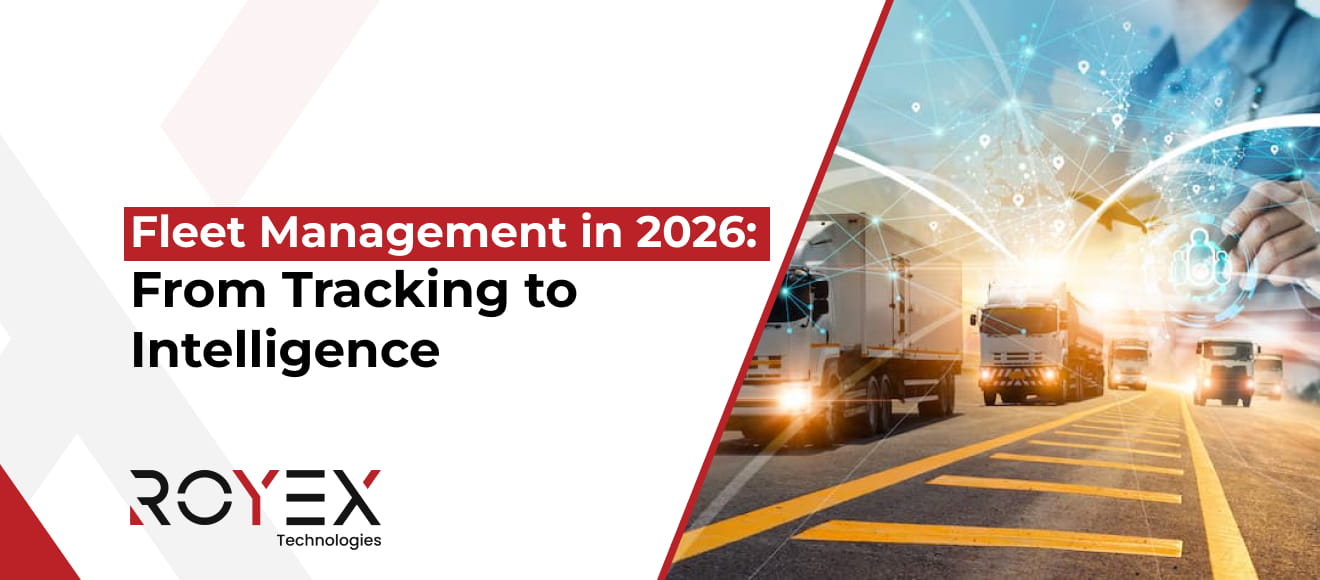
Fleet Management in 2026: From Tracking to Intelligence
If you had asked a fleet manager ten years ago what their biggest concern was, the answer would likely have been simple. Where are my vehicles at the moment, and are they being used correctly? Back then, tracking felt like the finish line. If you could see dots moving on a screen, you felt in control.
Fast forward to today, and especially as we move closer to 2026, that feeling has changed. Knowing where a vehicle is no longer feels like enough. Businesses want to understand why a vehicle is there, how it is being driven, what it will cost tomorrow, and what could go wrong before it actually does. This shift is transforming how people approach fleet operations at every level.
In the early days, a Fleet Management System was concerned with location. It answered one question and one question only. Where is the vehicle? Today, a Fleet Management System is slowly becoming something very different. It is turning into a thinking partner that helps people make smarter decisions every day. That change is not loud or flashy. It is quiet, practical, and deeply personal for the people who manage vehicles for a living.
This blog is a conversation about that shift. Not in technical language and not in future hype. Just a clear look at how fleet management is moving from simple tracking to real intelligence by 2026 and why that matters more than ever.
The Old Mindset of Tracking Only
Tracking was once revolutionary. Being able to see vehicles on a map felt like magic. Before that, managers relied on phone calls, paper logs, and trust. When GPS tracking arrived, it reduced stress and saved time. It brought visibility where there was none.
But tracking also created a false sense of control. Seeing a vehicle on a screen does not explain what is happening inside that vehicle. It does not explain delays, fuel waste, harsh driving, or missed opportunities. Over time, fleet managers realized that location alone could not answer the questions that actually mattered.
Why is fuel cost rising even though routes look efficient? Why is one driver always late while another finishes early using the same roads? Why does maintenance feel reactive instead of planned? These questions pushed the industry forward. By 2026, tracking alone feels like reading the cover of a book and assuming you know the whole story.
What Intelligence Really Means in Fleet Management
When people hear 'intelligence' in fleet management, they often imagine fancy technology or complicated software. But real intelligence isn’t about flashy features. It is about making daily work easier for the people who run fleets and the drivers who keep things moving.
For a long time, fleet management was mostly about tracking. Where is the vehicle right now? How fast is it going? Did it reach the destination? That information was helpful, but it still left managers with many decisions to figure out on their own. They had data, but not always understanding. Intelligence starts where tracking stops.
It means the system does not just show you what happened. It quietly helps you understand why it happened and what to do next. Imagine opening your dashboard in the morning and not feeling overwhelmed. Instead of long lists and numbers, you see clear signals. A vehicle that may need attention soon. A route that keeps wasting time. A driver who is improving and one who might need support. Nothing dramatic. Just useful insights that feel almost human in the way they guide you. That is what intelligence really looks like.
In intelligent fleet management, the system learns from patterns. It notices that a certain vehicle often consumes more fuel on the same route. It seems that deliveries slow down at certain hours. It understands that small delays today often turn into high costs next month. You do not need to ask dozens of questions. The answers come to you naturally.
This kind of intelligence also respects people. It is not about spying on drivers or creating pressure. It is about fairness and support. A smart system can tell the difference between risky behavior and a genuine problem on the road. It supports managers in having better, less stressful conversations with drivers. Over time, trust grows because decisions feel reasonable and informed.
Another important part of intelligence is timing. Traditional tools often react after something goes wrong. An intelligent approach works earlier. Maintenance reminders arrive before breakdowns. Route suggestions appear before traffic becomes chaos. Cost warnings appear in time to take corrective action. It feels less like firefighting and more like calm planning.
By 2026, intelligence in fleet management will also mean simplicity. Real intelligence does not demand hours of training. If a system needs constant explanation, it is not truly smart. The best solutions feel intuitive. You know where to click. You know what matters. You do not feel lost.
This is why the idea of a Fleet Management System is changing. It is no longer just a control panel. It is more like a quiet assistant that watches patterns, connects dots, and nudges you in the right direction. It helps businesses make better choices without turning daily operations into a technical puzzle.
From Raw Data to Meaningful Understanding
How data is managed is becoming one of the biggest shifts in fleet management. In the past, systems collected data and stopped there. Speed, distance, fuel use, and idle time. The numbers were available but rarely helpful on their own.
Managers were expected to dig through reports and figure things out themselves. Many did not have the time or energy to do that properly. As a result, valuable information stayed hidden. Modern fleet platforms are changing that. Instead of dumping data, they highlight what matters most. They answer questions before they are asked. They turn data into simple stories.
For example, rather than just reporting that a driver idled for twenty minutes, the system shows how that idle time increased fuel costs and recommends a better approach. Instead of showing a maintenance log, it explains which vehicle needs attention soon and why. This move from raw data to understanding is at the heart of fleet intelligence.
The Human Side of Smarter Fleets
Technology often fails when it forgets the people who use it. Fleet management is no exception. Drivers, dispatchers, managers, and business owners all interact with fleet systems in different ways.
In 2026, the most successful fleet tools are the ones that respect this human side. They do not overwhelm users. They do not judge drivers. They support better habits through clarity, not pressure.
For drivers, intelligent systems feel like guidance rather than surveillance. They help drivers understand how small changes can make their day easier and safer. For managers, intelligence feels like relief. Less guessing. Fewer late-night calls. More trust in daily operations. When technology works with people instead of against them, adoption becomes natural.
Predicting Problems Before They Become Expensive
One of the biggest changes in fleet management is not about seeing what is happening right now. It is about seeing what is likely to happen next. When problems are predicted early, they lose their power to surprise you. In fleet management, surprises tend to be costly.
Below are a few simple ways this shift is changing everyday decisions.
=> Small Signals Matter More Than Big Warnings
In the past, issues were noticed only when something broke down or a vehicle stopped performing well. Today, intelligence looks at small changes. Slight fuel increase. Minor engine alerts. Repeated delays on the same route. Alone, these signs feel harmless. Together, they tell a clear story. Acting early saves money and stress.
=> Maintenance Becomes Calm Instead of Rushed
Breakdowns rarely happen without warning. The signs are often there, just ignored or unseen. Predictive thinking helps spot wear before it turns into damage. Instead of emergency repairs, maintenance becomes planned and smooth. Vehicles stay on the road longer, and workshops feel less chaotic.
=> Costs Stop Creeping Up Quietly
Some of the most expensive problems grow slowly. Extra fuel use. Poor route choices. Vehicles are running inefficiently day after day. Predicting these trends helps stop cost leaks early. You fix the habit, not just the result.
=> Driver Support Improves Naturally
Predicting problems is not about blaming drivers. It is about understanding patterns. The system subtly flags when a driver struggles on specific routes or at certain times. Managers can step in with guidance instead of criticism. Over time, performance improves, and confidence grows.
=> Planning Replaces Constant Firefighting
When you know what might go wrong next week or next month, planning becomes easier. Schedules are adjusted. Vehicles are rotated. Risks are reduced. Instead of reacting to problems, teams stay one step ahead. The workday feels calmer and more controlled.
=> Decisions Feel Clearer and Faster
Guesswork disappears when predictions are reliable. Managers no longer rely on gut feelings alone. They see patterns backed by real data and experience. A modern Fleet Management System helps turn those patterns into a clear direction, not complicated reports.
Smarter Routing That Respects Reality
Routes are not just lines on a map. They are shaped by traffic habits, local rules, driver comfort, and even weather patterns. Traditional route planning often ignores these human details.
In intelligent fleet systems, routing becomes more realistic. The system learns which routes cause delays and which ones drivers prefer. It adjusts plans based on experience rather than ideal conditions.
By 2026, routing intelligence feels less like instruction and more like collaboration. The system suggests options and learns from outcomes. Over time, routes improve naturally. This saves fuel, reduces stress, and improves delivery reliability without forcing rigid rules on drivers.
Fuel Management Beyond Simple Numbers
Fuel has always been a major concern for fleets. For years, the focus was on measuring consumption and comparing numbers. While useful, this approach often missed the bigger picture.
Intelligent fuel management looks at behavior, conditions, and vehicle health together. It understands that fuel use is influenced by driving style, load weight, traffic flow, and maintenance quality.
Instead of blaming drivers for high fuel use, intelligent systems explain the reasons. They show where change will have the biggest impact. This leads to more honest conversations and better results. By 2026, fuel efficiency will be less about control and more about understanding.
Safety That Feels Supportive, Not Strict
Safety has always been important, but how it is handled makes a big difference. Older systems often focused on catching mistakes. Speed alerts, harsh braking warnings, constant notifications. While well-intentioned, this approach sometimes created resistance. Drivers felt watched instead of supported.
Intelligent safety systems take a different path. They look for patterns over time rather than isolated moments. They help drivers improve gradually. They provide context instead of punishment. For example, instead of flagging every sudden stop, the system looks at overall driving trends and offers coaching where it matters most. This builds trust and improves safety naturally. In 2026, safety intelligence is about care, not control.
Compliance Without Constant Stress
Regulations are part of fleet life. Logs, inspections, reporting. These tasks often feel heavy and 0...time-consuming. Smarter fleet platforms reduce this burden by handling compliance quietly in the background. They remind when action is needed and prepare information automatically.
Managers no longer need to chase paperwork or worry about missing details. Drivers spend less time filling out forms and more time focusing on their work. Compliance becomes part of the flow of daily operations rather than a separate struggle.
Integration With The Wider Business
Fleet management does not happen in isolation. Vehicles, drivers, and routes are only one part of a much bigger picture. Every decision a fleet manager makes has ripple effects on customer service, finance, planning, and even marketing. In the past, fleet systems often existed as separate tools, collecting data that rarely influenced other parts of the business. This made operations feel fragmented and sometimes inefficient.
By 2026, intelligent fleet systems will change that. They are no longer just tools for tracking or monitoring. They are connected hubs that feed useful information across the business. For example, real-time delivery data can help customer service teams provide accurate updates. Maintenance schedules can inform finance teams so they can plan budgets more effectively. Driver performance and route efficiency can guide training programs and improve overall workforce planning.
This integration makes fleet management feel like a natural part of the business rather than a standalone department. Managers can see the bigger picture without juggling multiple reports or guessing how one decision affects another. Everyone benefits when data flows smoothly: drivers understand expectations better, operations run more efficiently, and businesses can respond faster to changes in demand or unexpected challenges.
Smaller Fleets Gaining Big Advantages
For a long time, advanced fleet tools were something only large companies could afford. Large budgets, dedicated IT teams, and extensive fleets made it possible to invest in complex systems. Smaller fleets often had to rely on simple tracking, paper logs, or basic software. They watched larger competitors gain efficiency and insight, wondering if they could ever catch up.
That is changing quickly. By 2026, smarter fleet management is not just for the giants. Technology has become more accessible, flexible, and user-friendly. Small and medium-sized fleets can now benefit from the same intelligence that was once reserved for large operators. With the right system, even a small fleet can optimize routes, predict maintenance, and track fuel usage effectively.
The advantages for smaller fleets are huge. With better visibility and smarter insights, they can operate more efficiently, reduce costs, and improve customer satisfaction. Drivers feel supported because the system guides them without overwhelming them with data. Managers spend less time guessing and more time making decisions that drive the business forward.
In many ways, smaller fleets have something larger fleets sometimes lose: agility. They can adopt new systems quickly, adjust processes without layers of bureaucracy, and see the benefits almost immediately. Modern Fleet Management Systems are designed with this in mind, offering solutions that scale according to needs rather than forcing unnecessary complexity.
By embracing these tools, small fleets can compete with larger players on efficiency, reliability, and service quality. Intelligence is no longer a privilege—it is a level playing field. The size of the fleet matters less than the willingness to use the right tools and insights effectively.
Trust Growing Between Systems and People
Trust is often the quiet foundation of a well-run fleet. No matter how intelligent a system is, it only works when people believe it is helping them rather than watching or judging them. In the past, some fleet tools could feel intrusive. Constant alerts, speed warnings, and strict monitoring made drivers and managers feel under pressure instead of supported. This made adoption slower and limited the real benefits of technology.
By 2026, fleet systems will learning to earn trust naturally. They focus on clear explanations rather than blind alerts. Drivers see the rationale behind suggestions, and managers grasp the thinking behind the insights. When the system communicates openly and respects human judgment, people are more willing to engage with it and act on its recommendations. People trust technology more when it feels supportive instead of watching over them.
This trust does more than improve adoption. It creates a calmer, more confident workplace where drivers feel supported, and managers can make informed decisions without second guessing. Over time, the system learns from people as much as people learn from it. That two-way understanding is what makes fleet management truly intelligent and prepares businesses for smoother, more efficient operations in the years ahead.
Learning Never Really Stops
One of the most exciting aspects of modern fleet management is that systems keep learning over time. Every trip, every route adjustment, and every driver decision adds new insights. The system observes patterns, identifies what works well, and highlights areas for improvement. This learning is continuous and quiet, happening in the background so managers and drivers can focus on their work without being overwhelmed.
The beauty of this ongoing learning is that it benefits everyone. Drivers receive guidance tailored to their habits, managers gain clearer insights for planning, and the business becomes more efficient overall. As small improvements accumulate, operations become smoother, costs decrease, and teams feel happier. In 2026, fleets that embrace this mindset won’t just track vehicles; they’ll grow smarter every day.
Looking Ahead Without Fear
The future of fleet management is not something to fear. It is not about replacing people or making work colder. It is about reducing stress and increasing clarity. As systems become more intelligent, human judgment becomes more valuable, not less. Managers focus on strategy instead of firefighting. Drivers feel supported rather than monitored. This balance is what makes the shift from tracking to intelligence so powerful.
Why Royex Is the Go-To Partner for Fleet Management Development
At Royex, we understand that every fleet is different. No two businesses face the same challenges, and a one-size-fits-all system rarely delivers the results you need. That is why we take the time to understand your operations, your goals, and the daily realities of managing vehicles and drivers. Our approach is all about creating solutions that fit your business, not forcing your business to fit the system.
We build fleet management systems that are smart yet easy to use. From route optimization and maintenance forecasting to real-time insights, every feature is designed to help your team work smarter. Managers get the information they need to make confident decisions, while drivers receive guidance that supports them without feeling constantly monitored.
Our work does not stop once the system is live. We continue to support you as your fleet grows and evolves, helping you adapt and make the most of every insight. By combining practical understanding, ongoing support, and smart technology, we turn fleet management from a daily struggle into a smoother, more efficient operation. This is why companies choose us when they’re ready to move from simple tracking to truly intelligent fleet management.
Final Thoughts on Fleet Management in 2026
Fleet management in 2026 feels quieter and more confident than in the past. The chaos of constant alerts and manual decisions fades into the background. In its place is a steady rhythm of informed choices and calm planning.
A modern Fleet Management System no longer shouts numbers at you. It listens, learns, and gently points the way forward. A well-designed Fleet Management System helps people do their jobs better without demanding more of their time or energy.
Moving from tracking to intelligence involves more than technology alone. It is about trust, understanding, and better daily experiences. For fleets willing to embrace this shift, the road ahead feels clearer than ever.